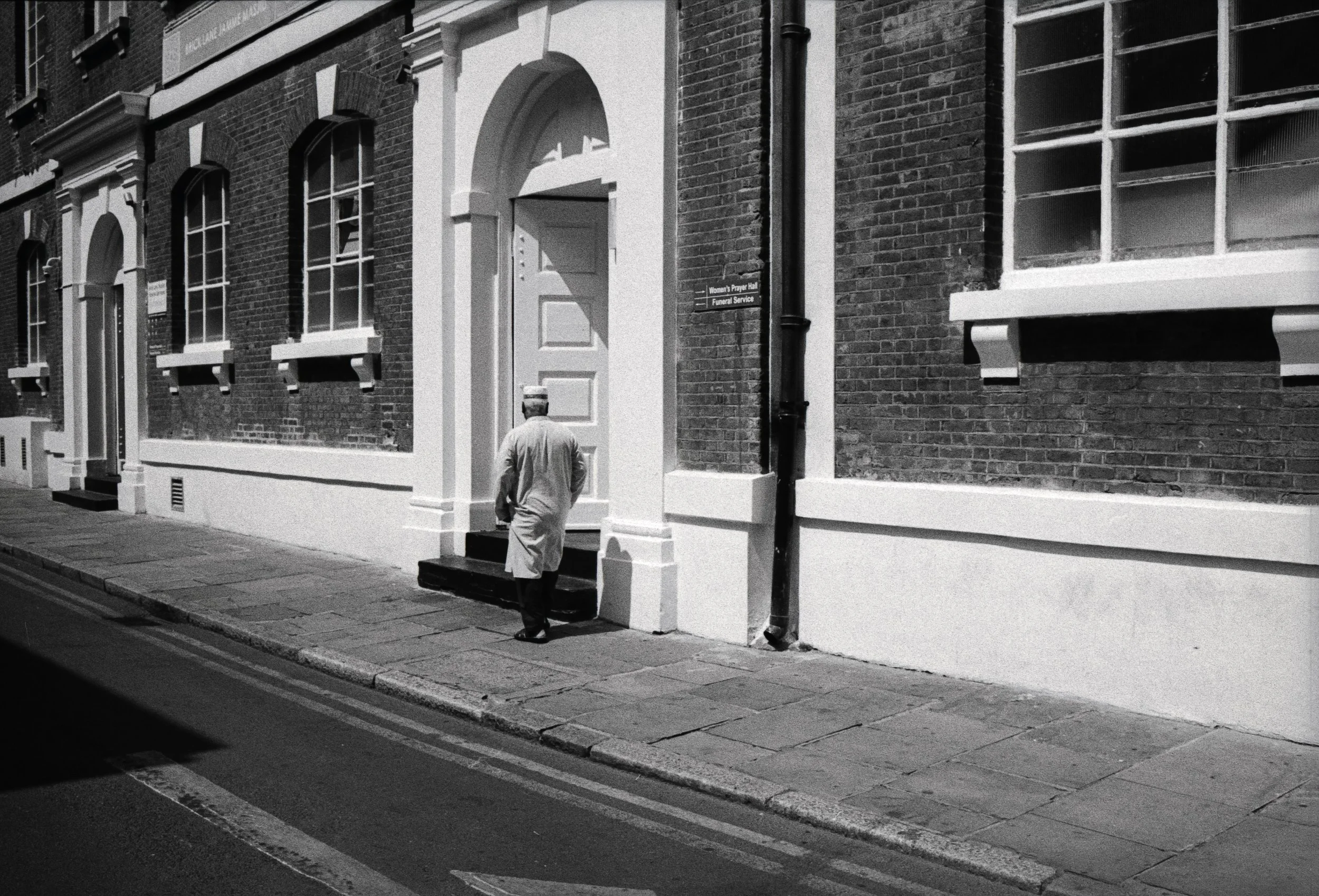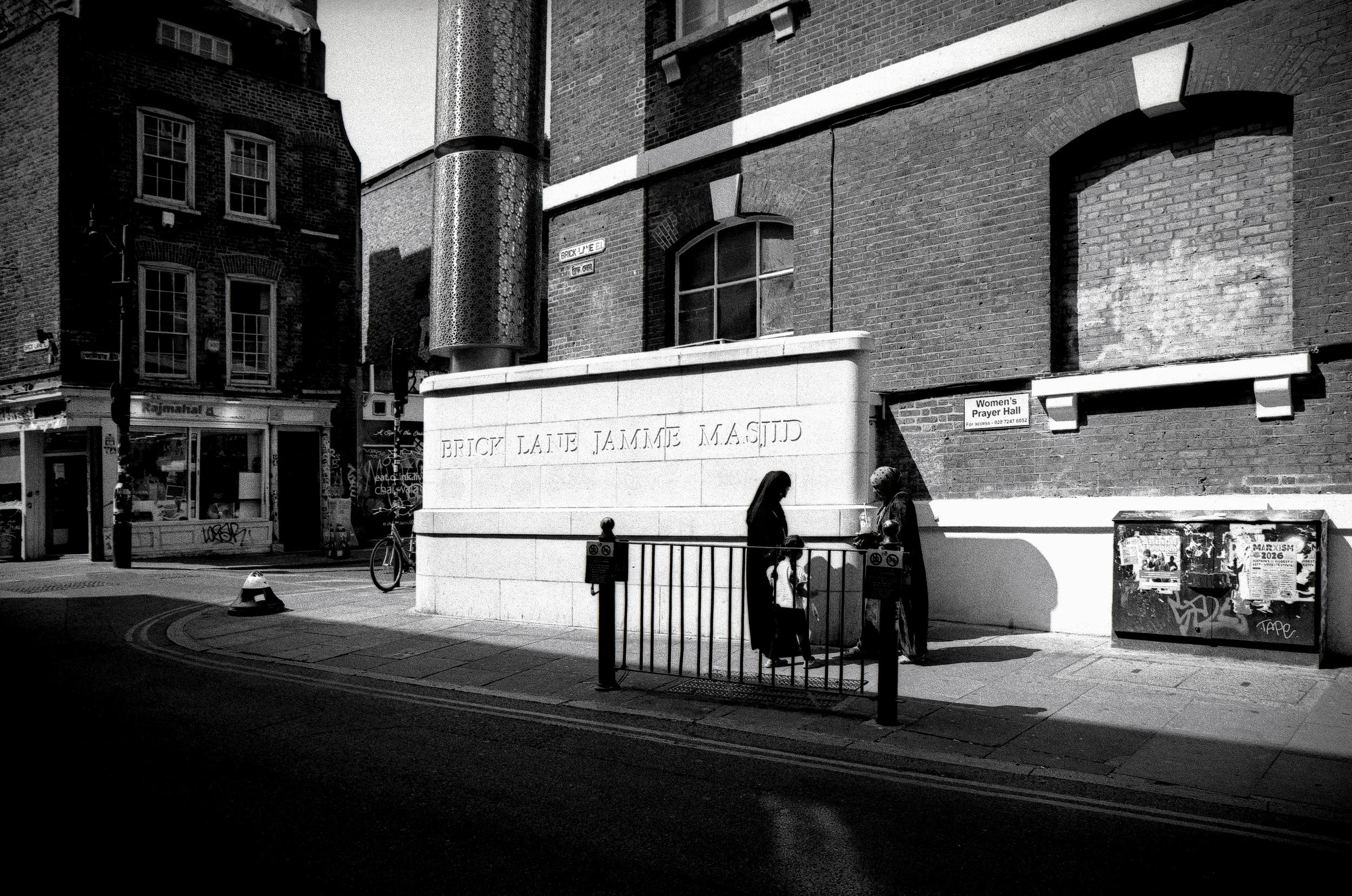
Brick Lane : Layers of Belonging
Few streets in London reveal the city's changing identity as vividly as Brick Lane. Over the centuries it has been shaped by successive communities, each leaving their mark while adding another layer to its remarkable story.
The buildings, places of worship, workshops and markets speak not only of change but of continuity. A street where generations of newcomers have sought refuge, opportunity and a place to belong.
In the seventeenth century, French Huguenots fleeing religious persecution settled here, bringing with them the silk-weaving skills that transformed Spitalfields into one of Europe's finest textile centres. Their elegant houses still stand along the surrounding streets, quiet reminders of an industry that once filled the neighbourhood with the sound of looms.
During the nineteenth century, many of those families moved on, and a new community arrived. Jewish immigrants escaping poverty and persecution in Eastern Europe established synagogues, workshops and businesses, creating a thriving district renowned for tailoring, commerce and scholarship. Their influence remains woven into the fabric of the area, even where its buildings have found new purposes.
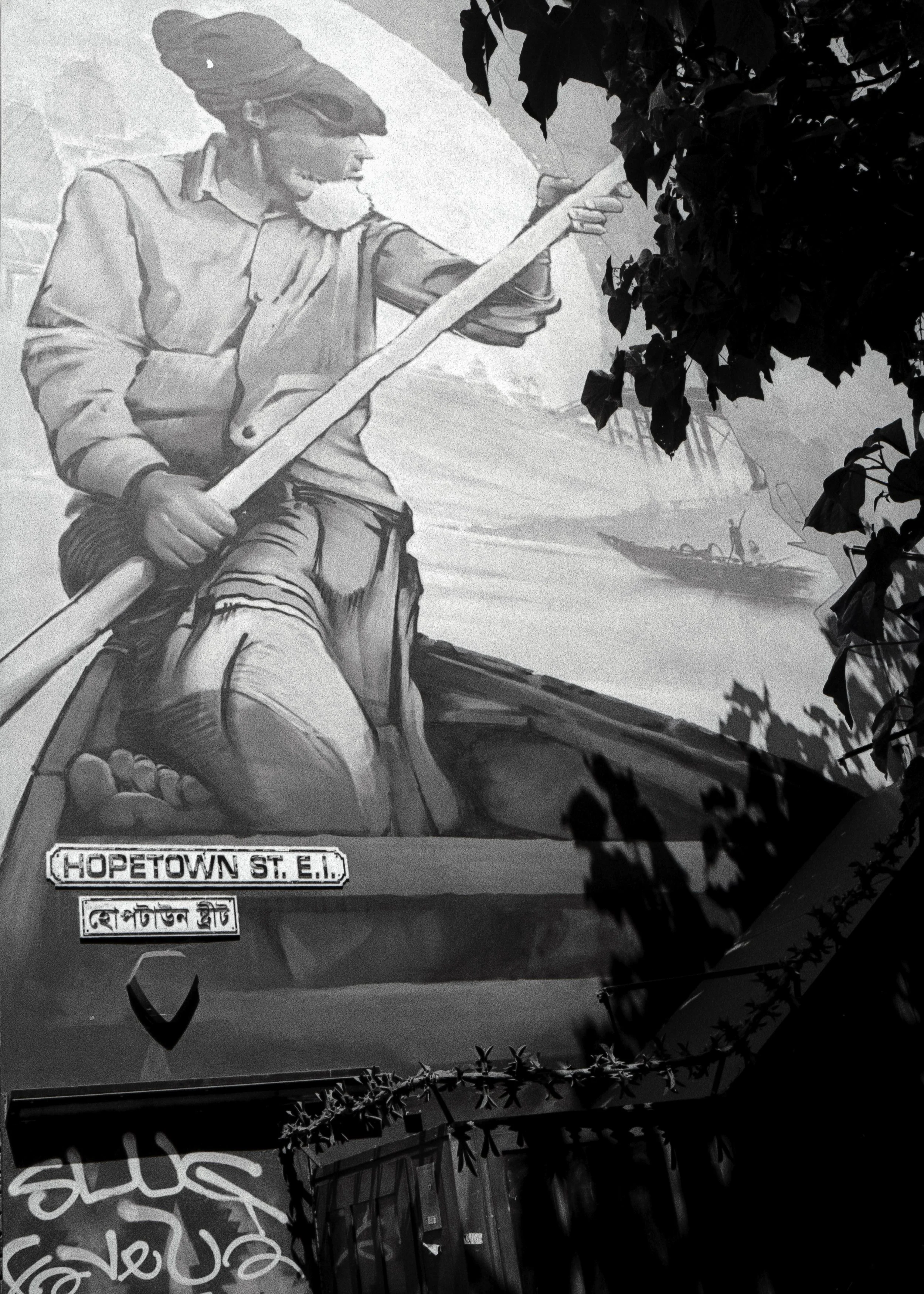
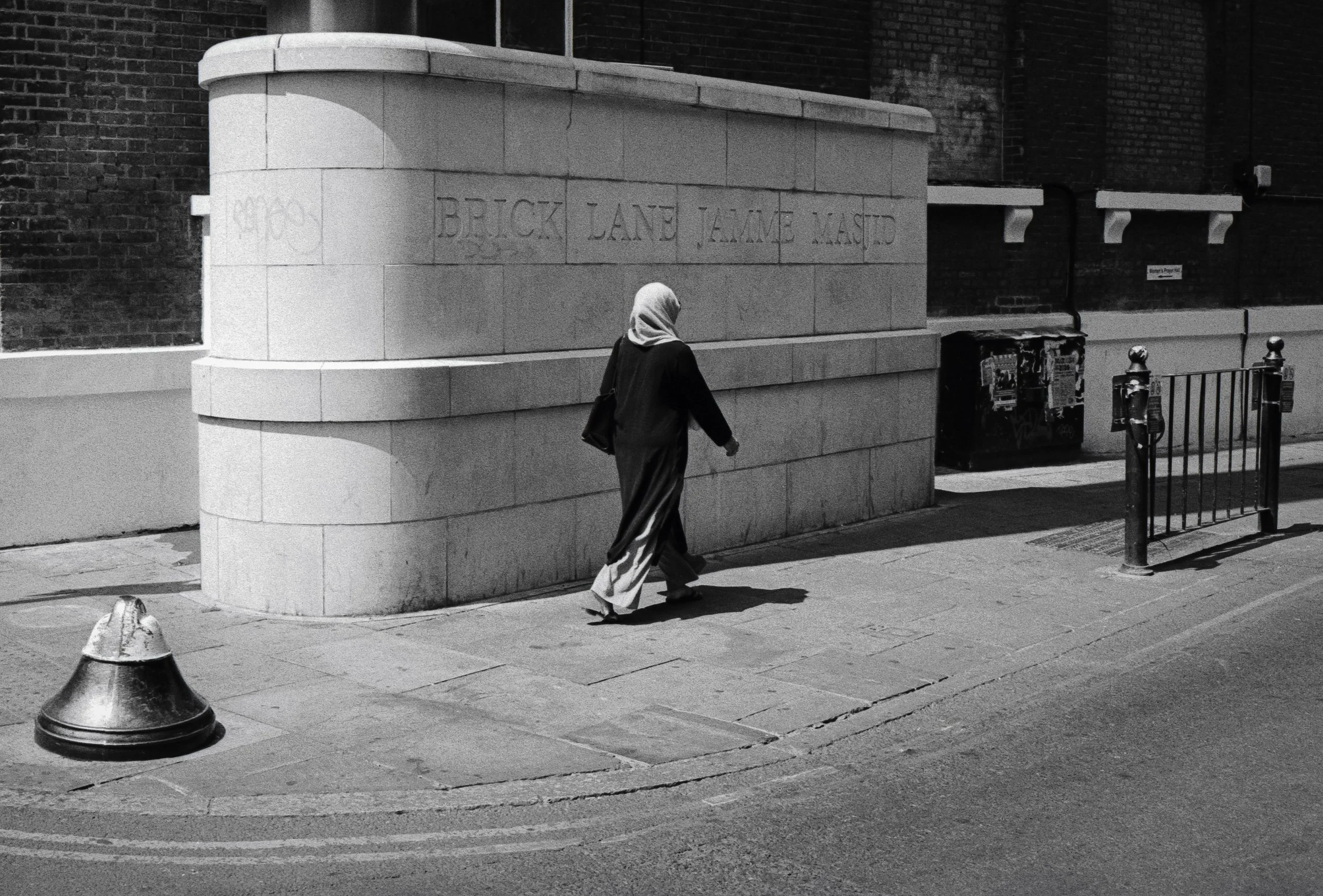
From the 1950s onwards, families from what is now Bangladesh, particularly the Sylhet region, began making Brick Lane their home. Restaurants, grocery stores, community organisations and mosques transformed the street once again, creating the cultural heart of Britain's Bangladeshi community.
In recognition of this enduring contribution, the surrounding neighbourhood became officially known as Banglatown, acknowledging a community whose traditions, language and resilience have profoundly shaped the identity of East London.
Brick Lane has not always been a place of celebration. During the 1970s, it became the frontline in the struggle against racism as local residents united to resist intimidation and violence from the National Front. Following the murder of textile worker Altab Ali in 1978, thousands marched through these streets demanding justice and equality. Their determination helped establish Brick Lane as a powerful symbol of solidarity and resistance, a place where ordinary people stood together to defend their neighbours and the values of an open, multicultural city.
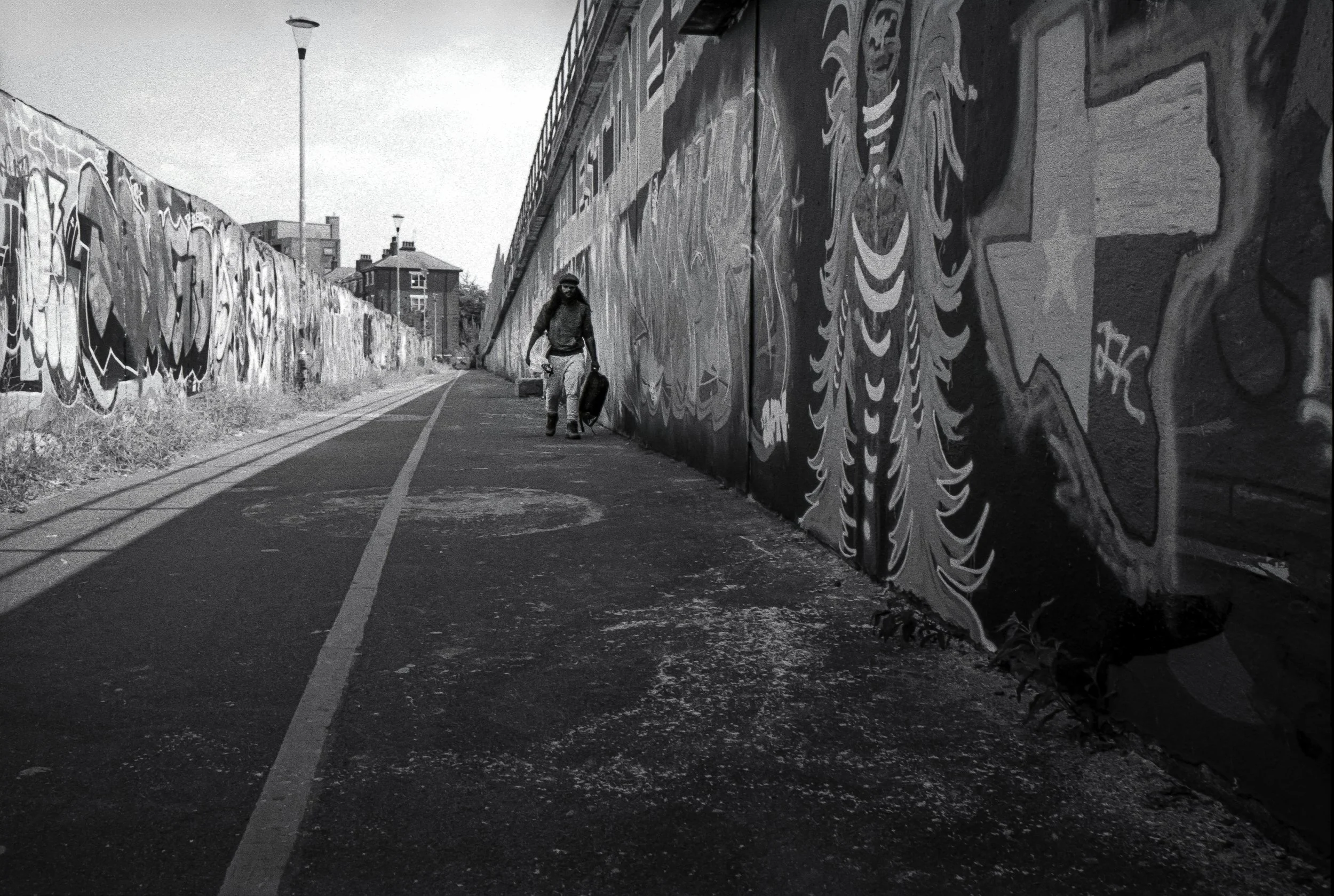
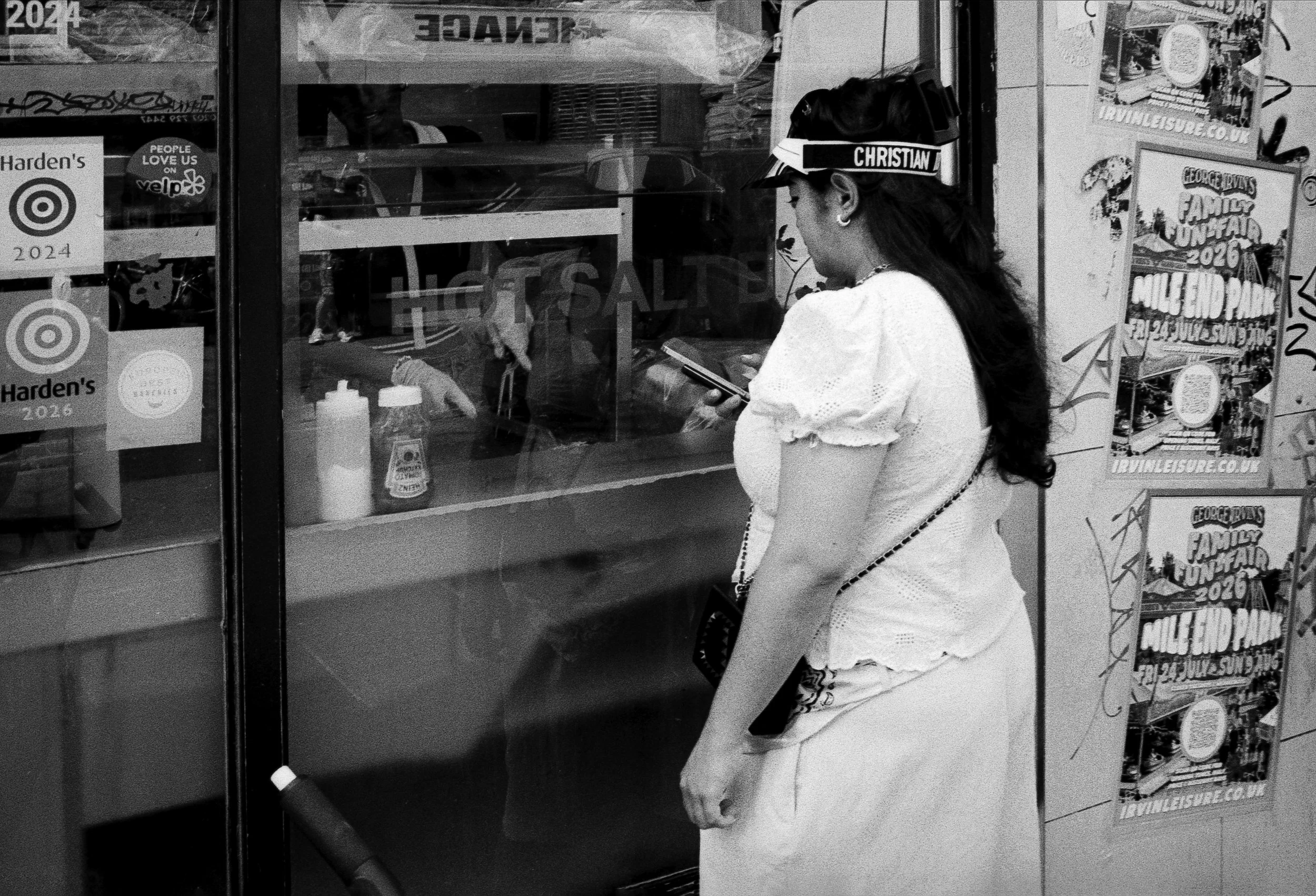
Today, Brick Lane continues to evolve. At weekends the pavements fill with visitors drawn by vintage markets, independent galleries, coffee shops and its internationally famous street art. Creative businesses and rising property values have brought renewed investment, but also the familiar pressures of gentrification.
Long-established family businesses now sit alongside fashionable cafés and boutiques, prompting questions about who the street is for and how its heritage can be protected. Yet beneath every new layer, Brick Lane remains defined by movement, resilience and reinvention. It is a street where histories overlap rather than disappear, where memories linger in brick, stone and conversation. To walk here is to encounter not a single community, but the continuing story of London itself, constantly changing, richly diverse, and forever shaped by the people who choose to call it home.
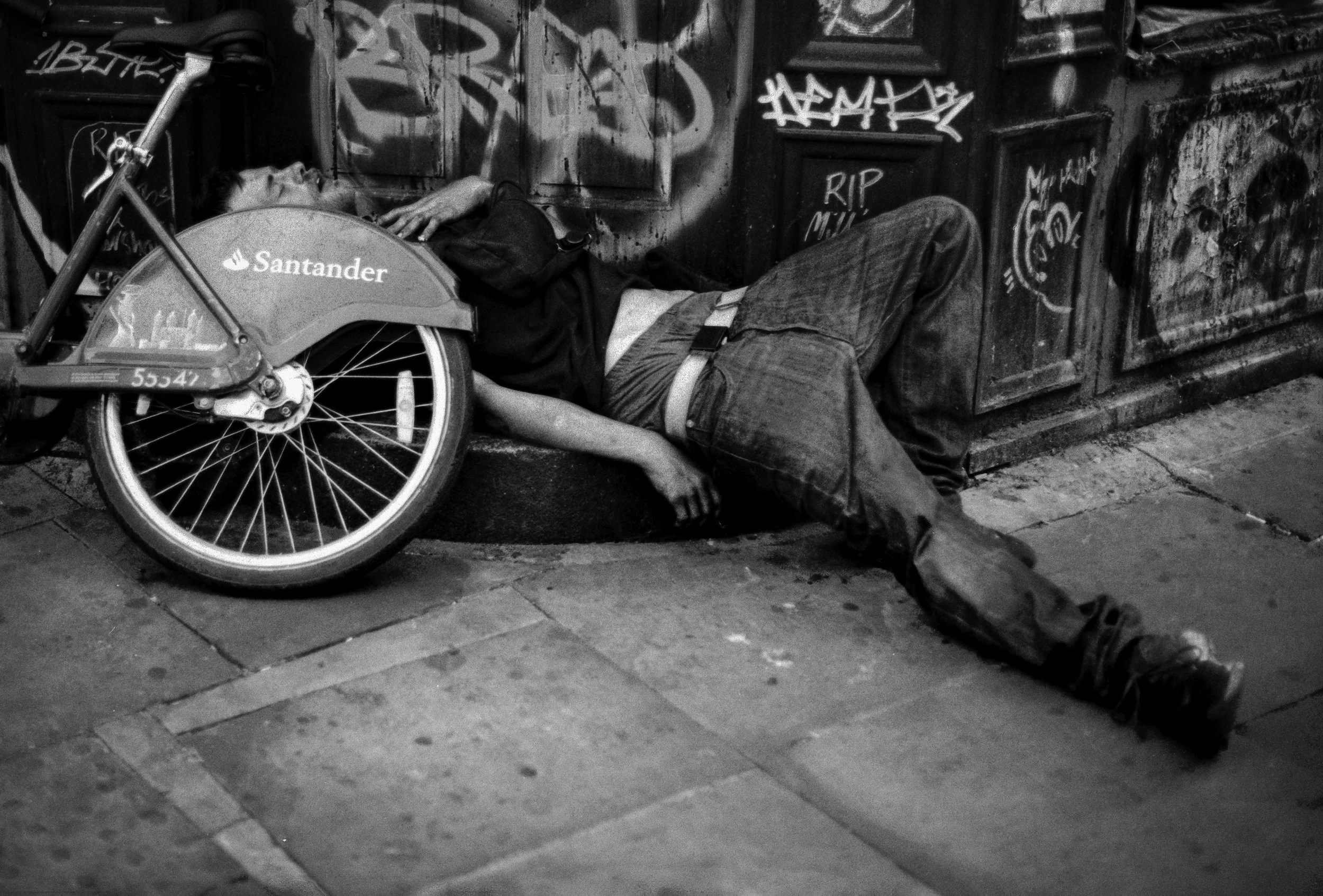
ASLEEP : Brick Lane, July 2026. OM2 | TMax 400 (rated 640) | 50mm at f5.6
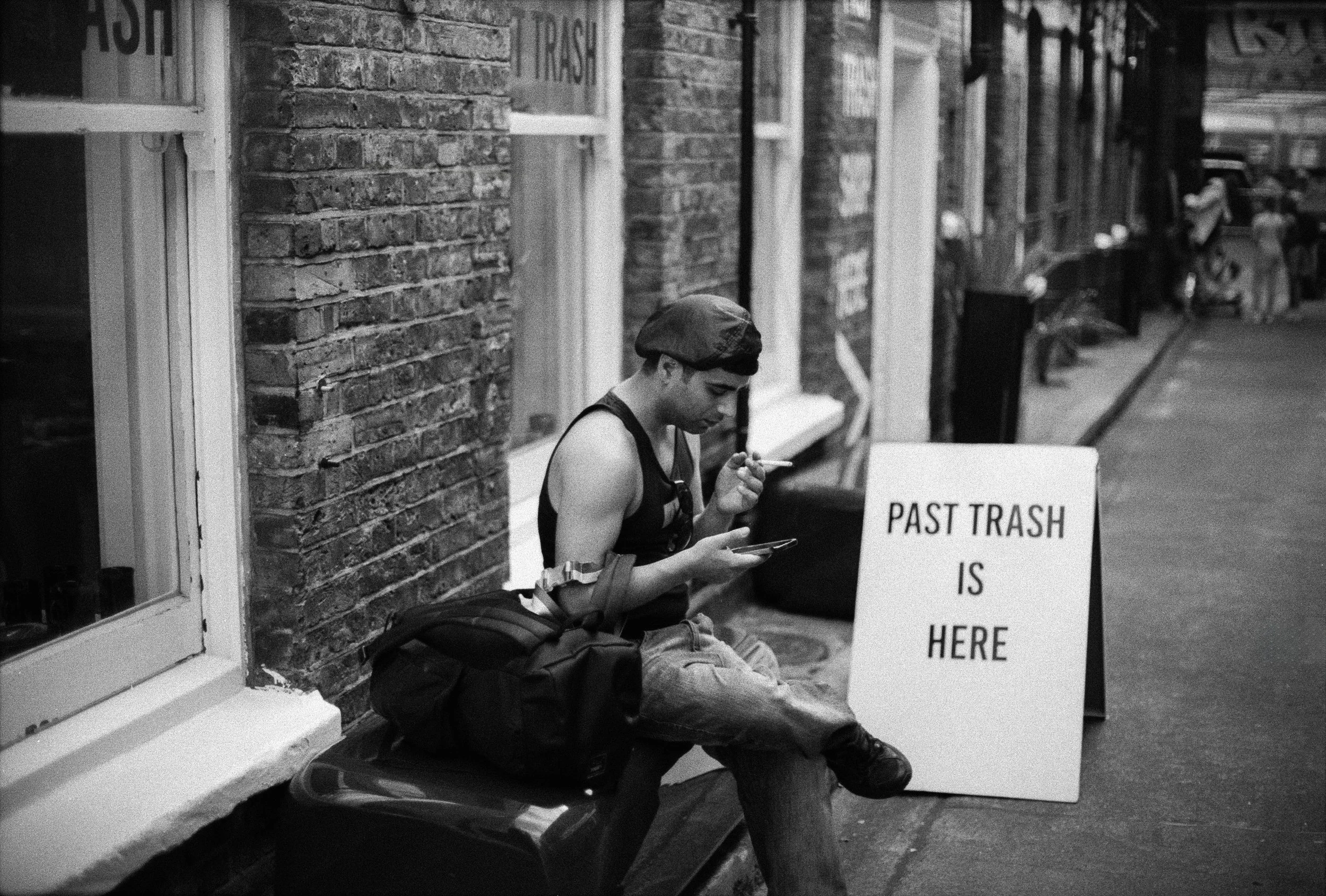
PAST TRASH : Brick Lane, July 2026. OM2 | TMax 400 (rated 640) | 50mm at f8