East End Stories
The East End is a place defined not by a single identity, but by continual change. For centuries it has been one of London's great meeting places, where successive generations of newcomers have settled, worked, worshipped and built new lives. Huguenot silk weavers, Irish labourers, Jewish refugees, Bangladeshi families, Somali communities, artists, entrepreneurs and countless others have all contributed to the character of its streets.
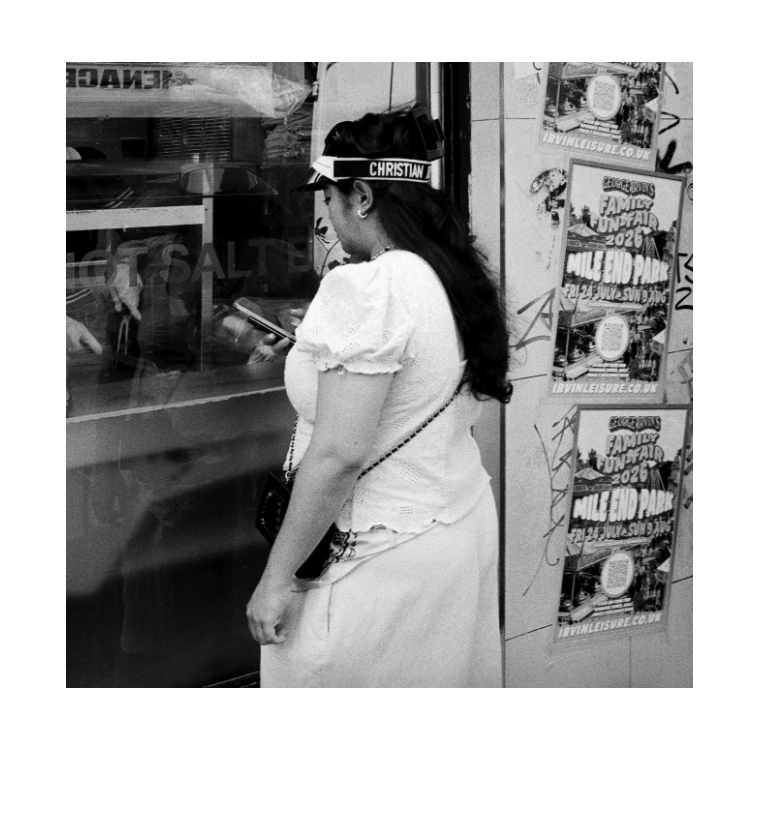
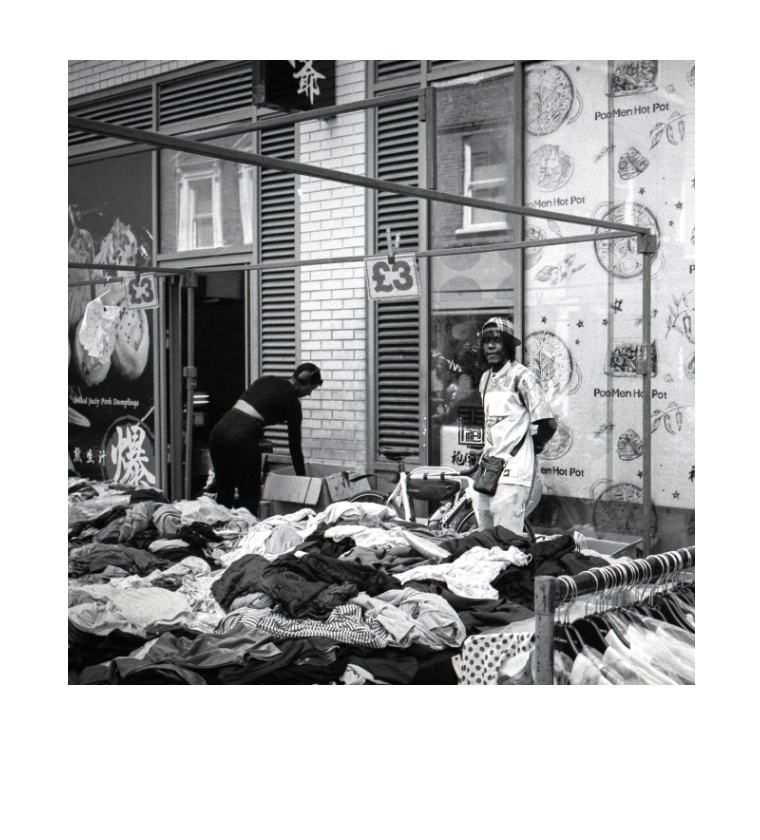
Alongside them are the students, office workers, market traders, tourists and visitors who pass through every day, each becoming part of the East End’s ever-changing story. Here, history is not confined to museums or monuments; it is woven into the everyday life of the streets, where the past continues to shape the present.
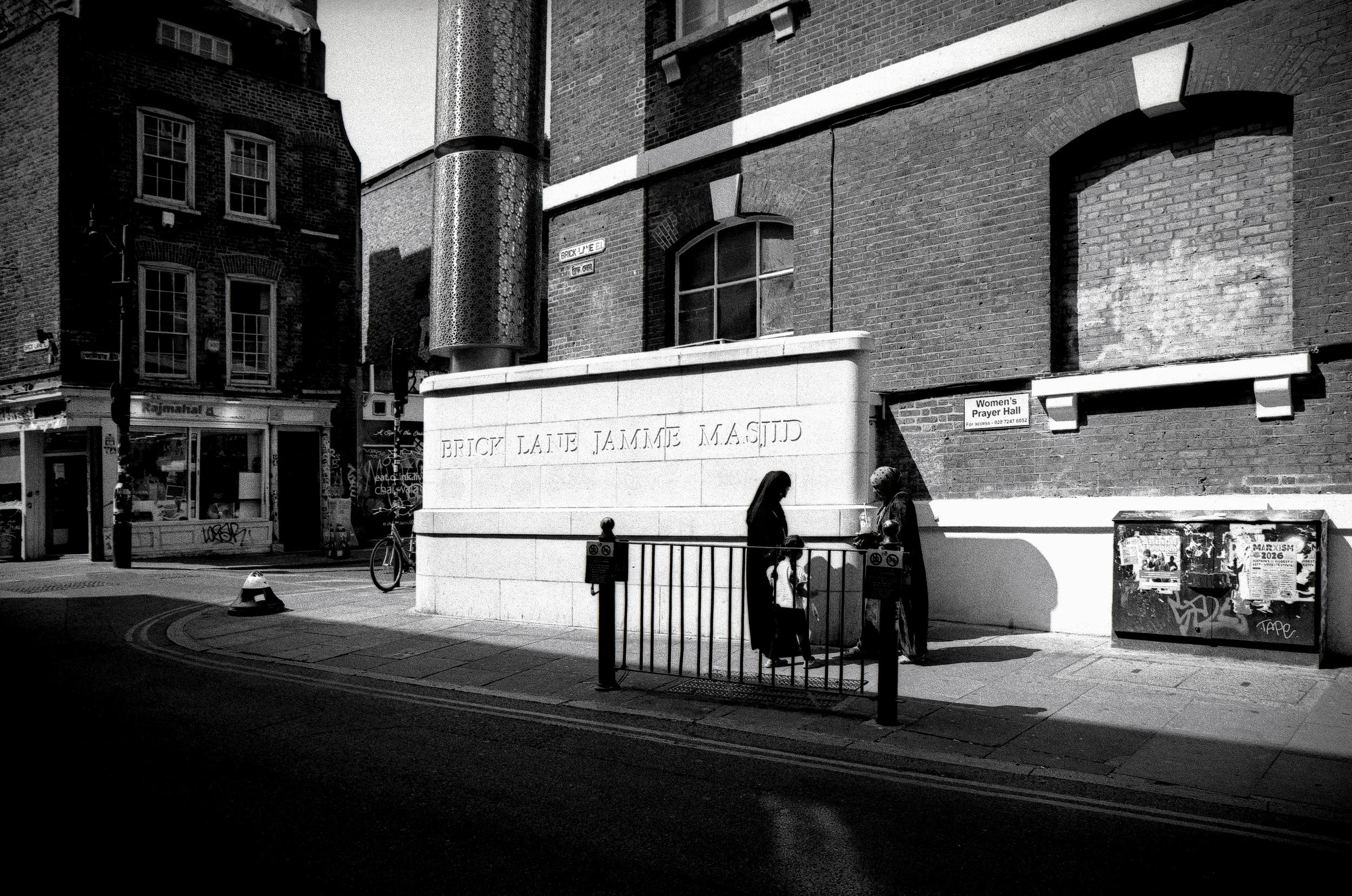
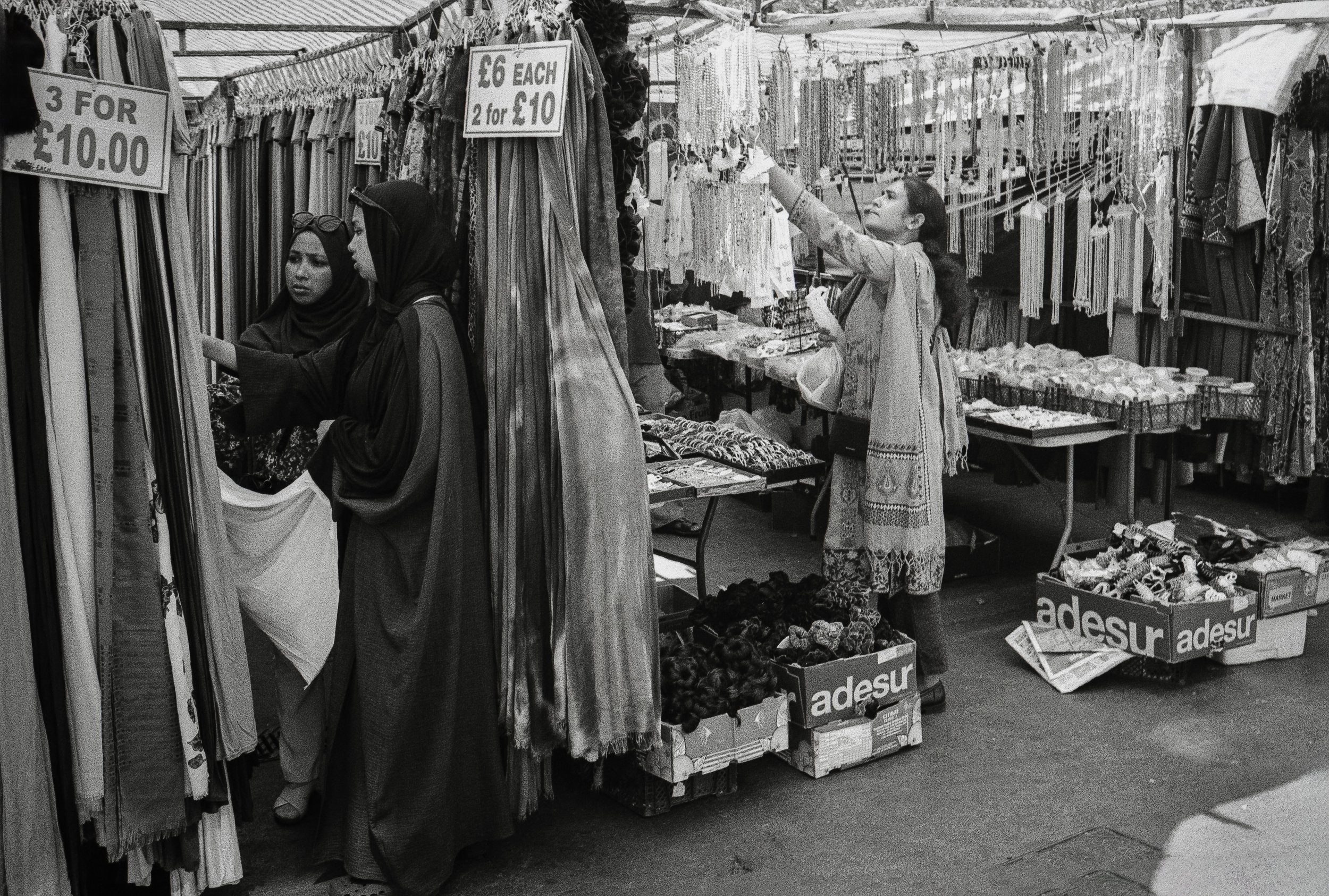
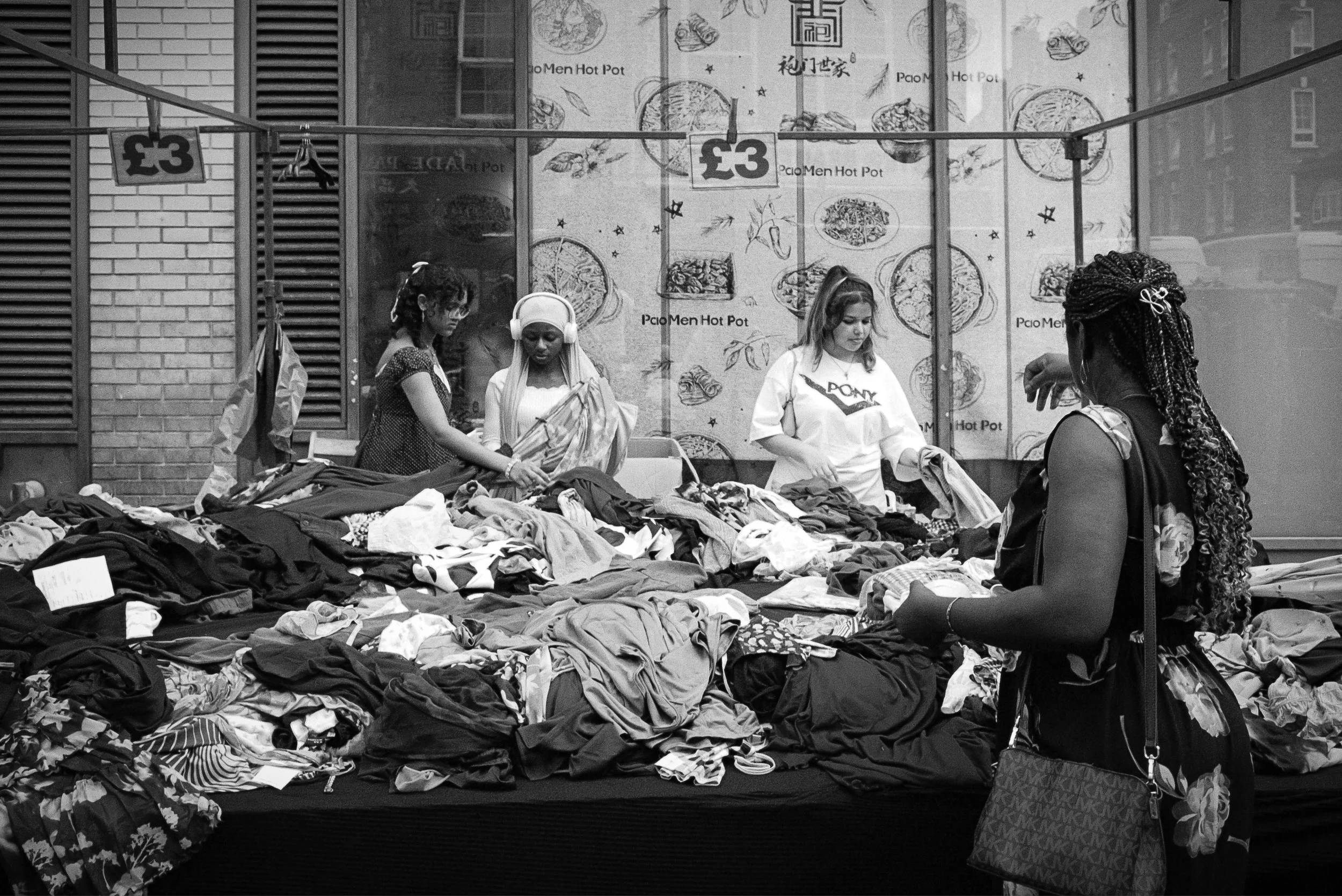
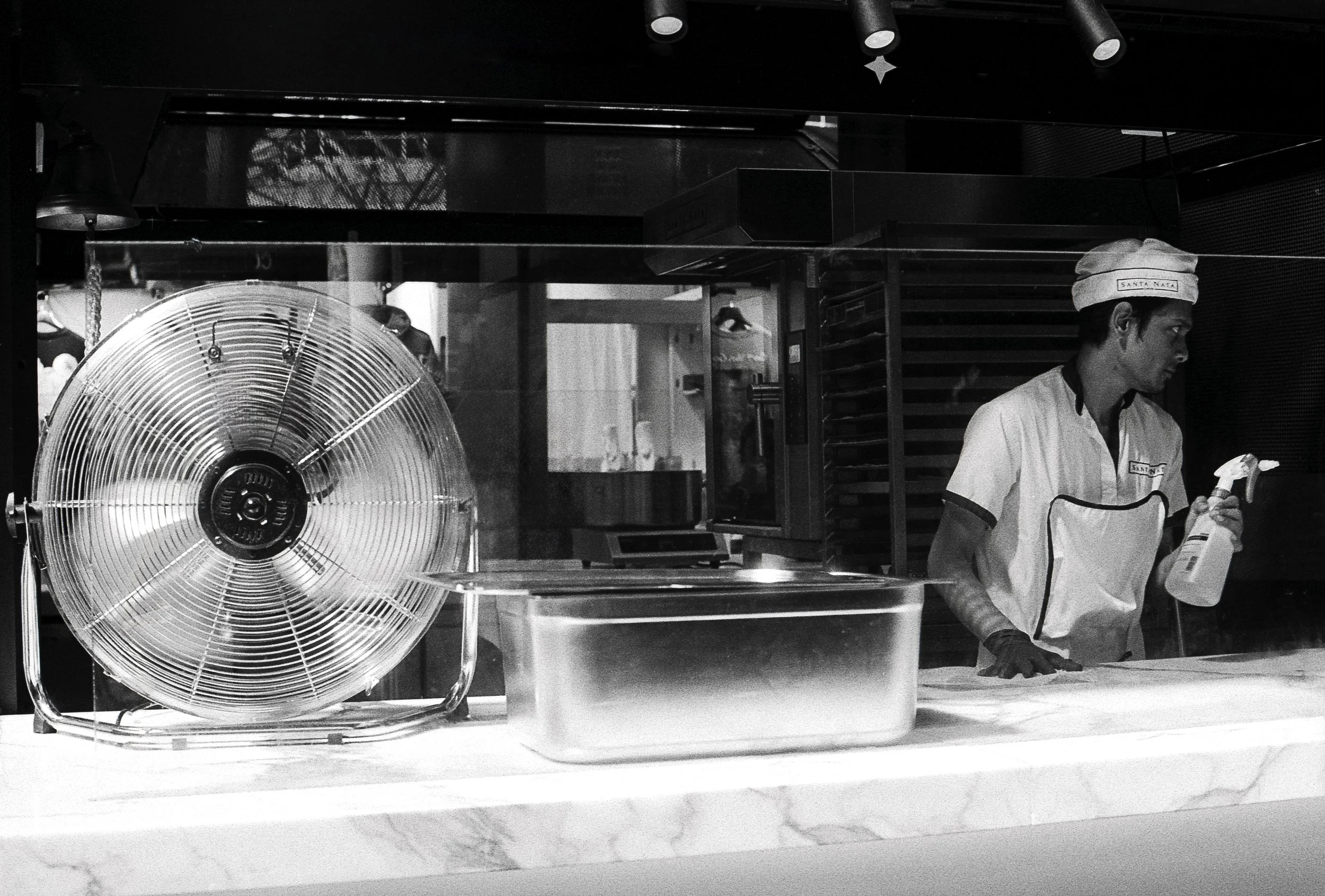
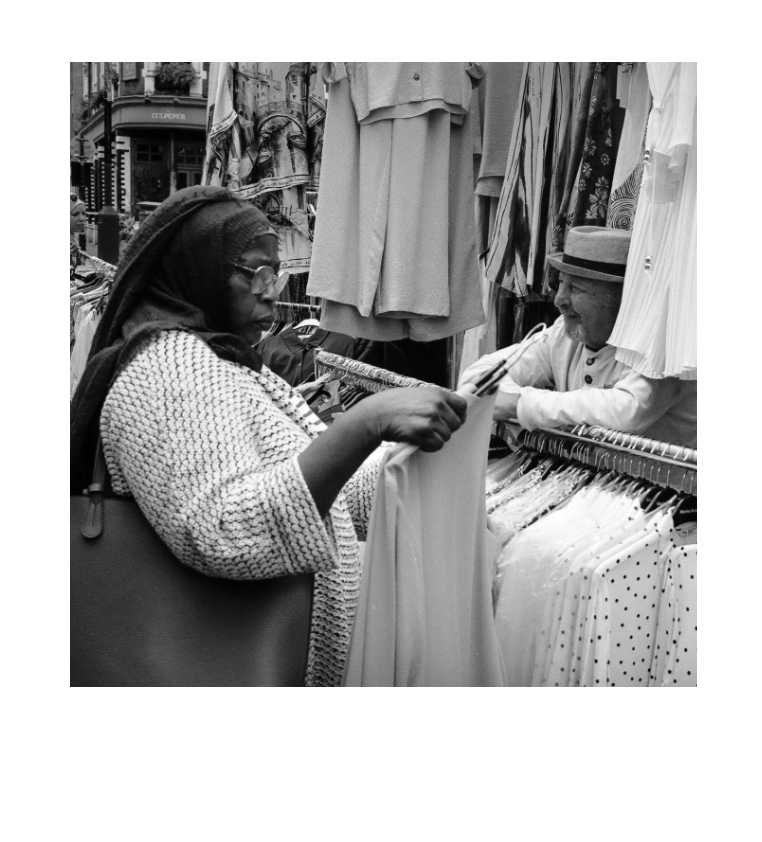
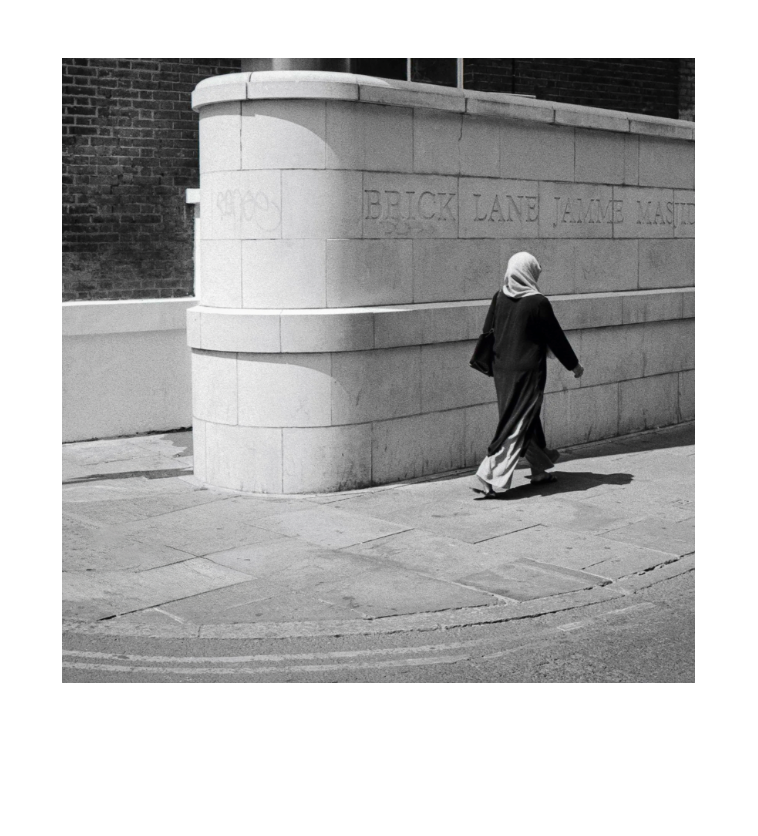
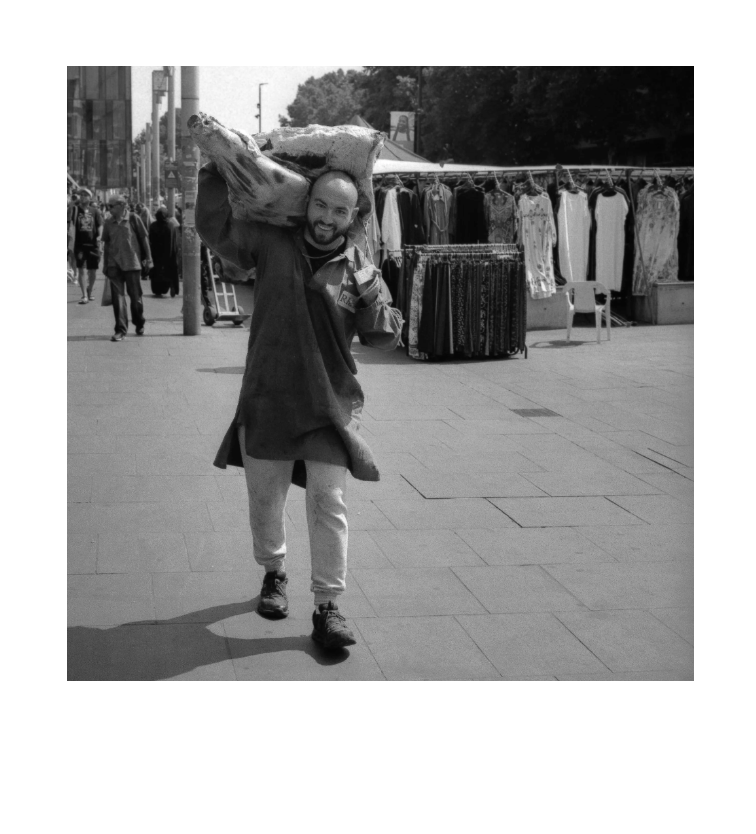
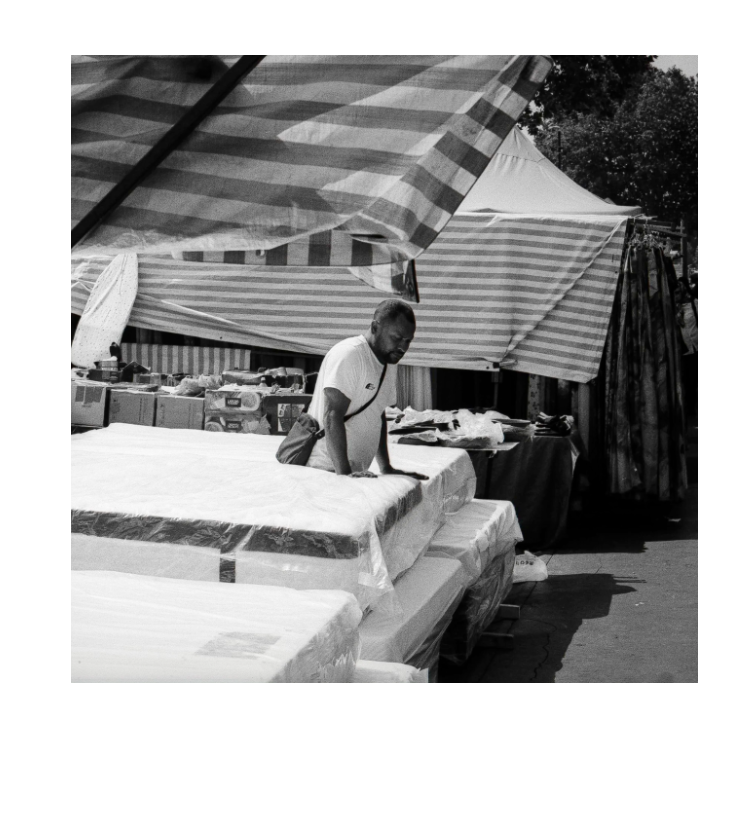
East End Stories is a long-term documentary project exploring this remarkable place through the people who inhabit it, whether for a lifetime or a single afternoon. These are not traditional portraits, but observations of lives unfolding naturally, moments of work and leisure, conversation and solitude, celebration and routine. They reveal the interactions that give the East End its unique energy and humanity.
Together, the photographs seek to create a visual record of one of London's most dynamic districts, celebrating not only its extraordinary diversity but also the shared spaces where different cultures, histories and experiences meet. Every photograph is a reminder that the East End has always been, and remains, one of London's true crossroads.