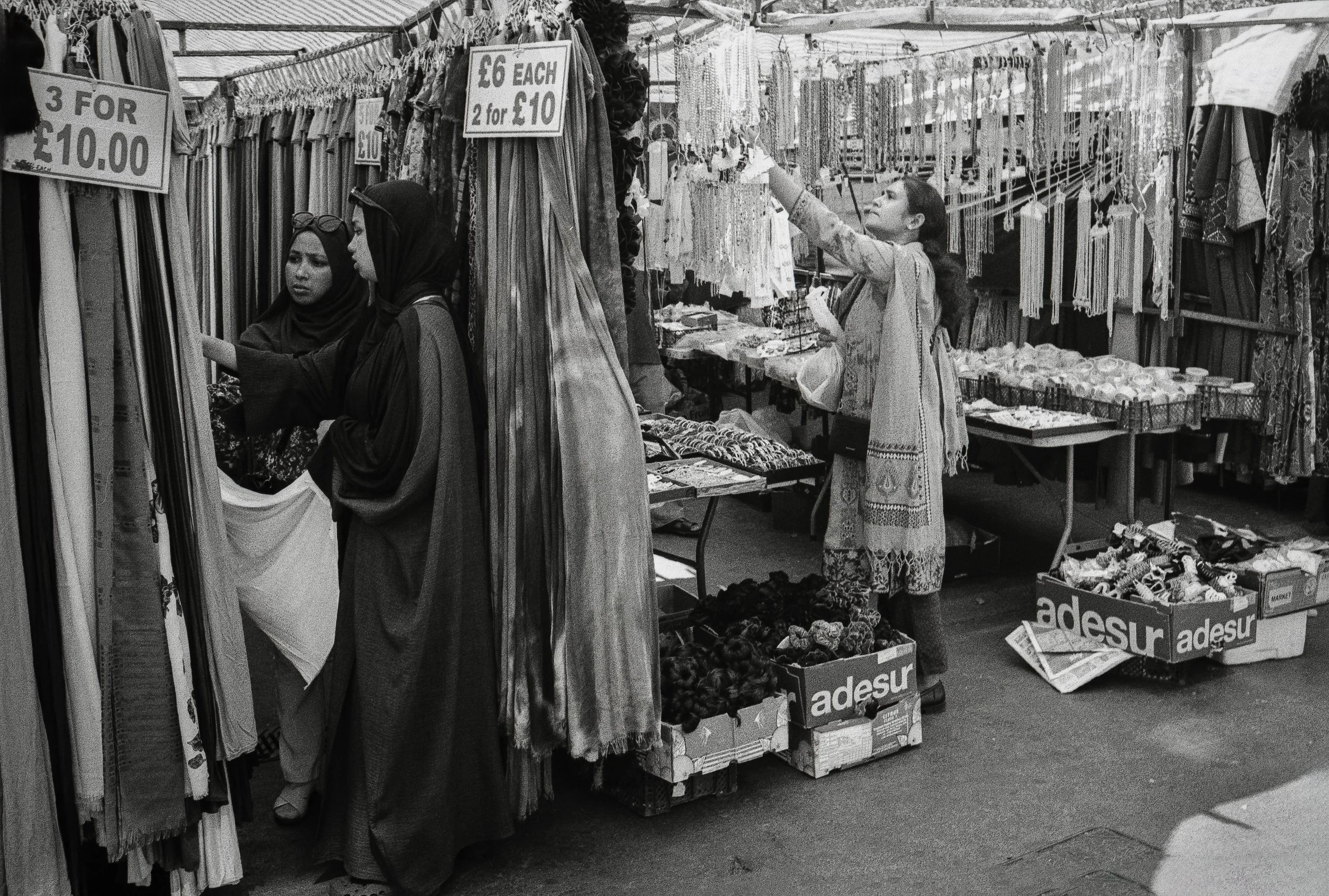
Whitechapel Market: A Trading Oasis.
Long before supermarkets and shopping centres, Whitechapel Market was where communities bought and sold their goods. For centuries, people have gathered here not simply to buy and sell, but to meet neighbours, exchange news and maintain friendships. Running along Whitechapel Road beneath the constant movement of buses, ambulances and commuters, the market remains one of East London's most enduring public spaces. A place where countless stories begin with a simple conversation across a market stall.
Its origins stretch back to the seventeenth century, when farmers travelled into London to sell hay and straw on the open ground beside Whitechapel Road. As the city expanded, so too did the market. The arrival of the London Hospital in the eighteenth century brought doctors, nurses, patients and labourers into the area, while Whitechapel's position on the edge of the City ensured a constant flow of merchants, travellers and workers. By 1904 the market had become an established institution, formally recognised by the local authority, but its greatest strength has always been its ability to adapt.
Like Whitechapel itself, the market has continually reflected the people who made this part of London their home. Jewish immigrants escaping persecution in Eastern Europe found work, established businesses and helped shape a thriving commercial district built around tailoring and textiles. Later, families from Bangladesh arrived during the second half of the twentieth century. Their languages, traditions and entrepreneurial spirit transformed both the market and the surrounding streets, creating a place where South Asian culture became woven into the everyday life of East London.
Today the market remains unmistakably local despite the changing city that surrounds it. Here, fresh fruit and vegetables are stacked high beside colourful fabrics, spices perfume the air, fishmongers compete for attention, and stalls overflow with clothing, jewellery and household goods. Prices are negotiated with conversations drifting endlessly between English, Bengali and many other languages, and familiar faces return week after week. It is less a tourist destination than a place that continues to serve the community that depends upon it.
The market sits between two of Whitechapel's defining institutions. To one side stands the Royal London Hospital, where generations have arrived in moments of hope, uncertainty and loss. To the other rises the East London Mosque, its presence reflecting the faith and cultural life of one of Britain's largest Muslim communities. Nearby, the Whitechapel Gallery celebrates artistic innovation, reminding visitors that creativity has long been another thread in the neighbourhood's story. Together they form a remarkable crossroads where commerce, faith, healthcare and culture exist side by side.
Whitechapel Market has changed countless times during its long history, yet its purpose remains remarkably constant. It is a place sustained not by architecture or monuments but by people—the traders who know their customers by name, the families who have shopped here for generations, and the newcomers discovering a sense of belonging in unfamiliar surroundings. In a city that never stops reinventing itself, Whitechapel Market endures as its living room: noisy, welcoming, resilient and unmistakably alive.
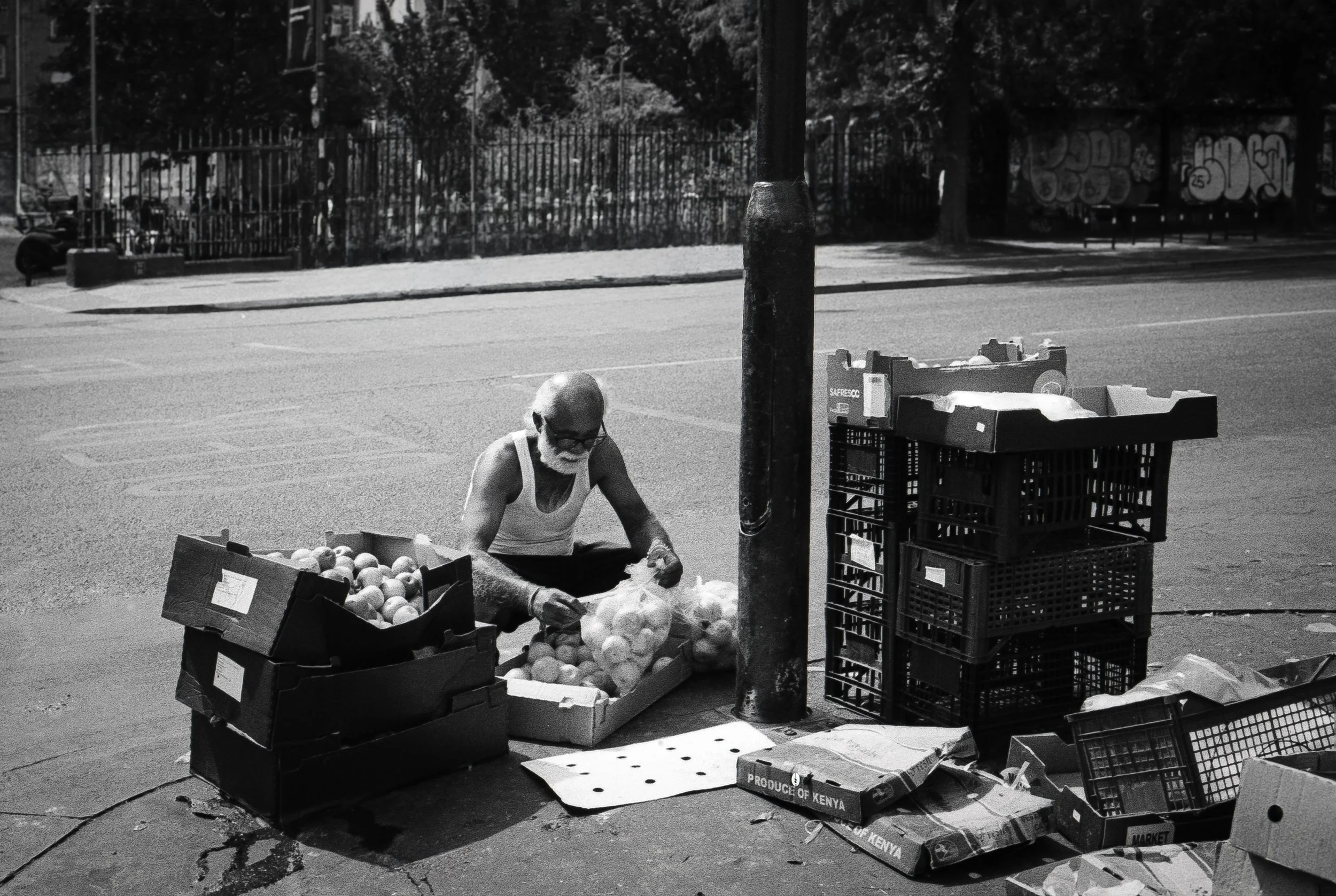
CLEANING FRUIT : Whitechapel Market, July 2026. OM2 | TRI-X 400 (rated 800) | 35mm at f11
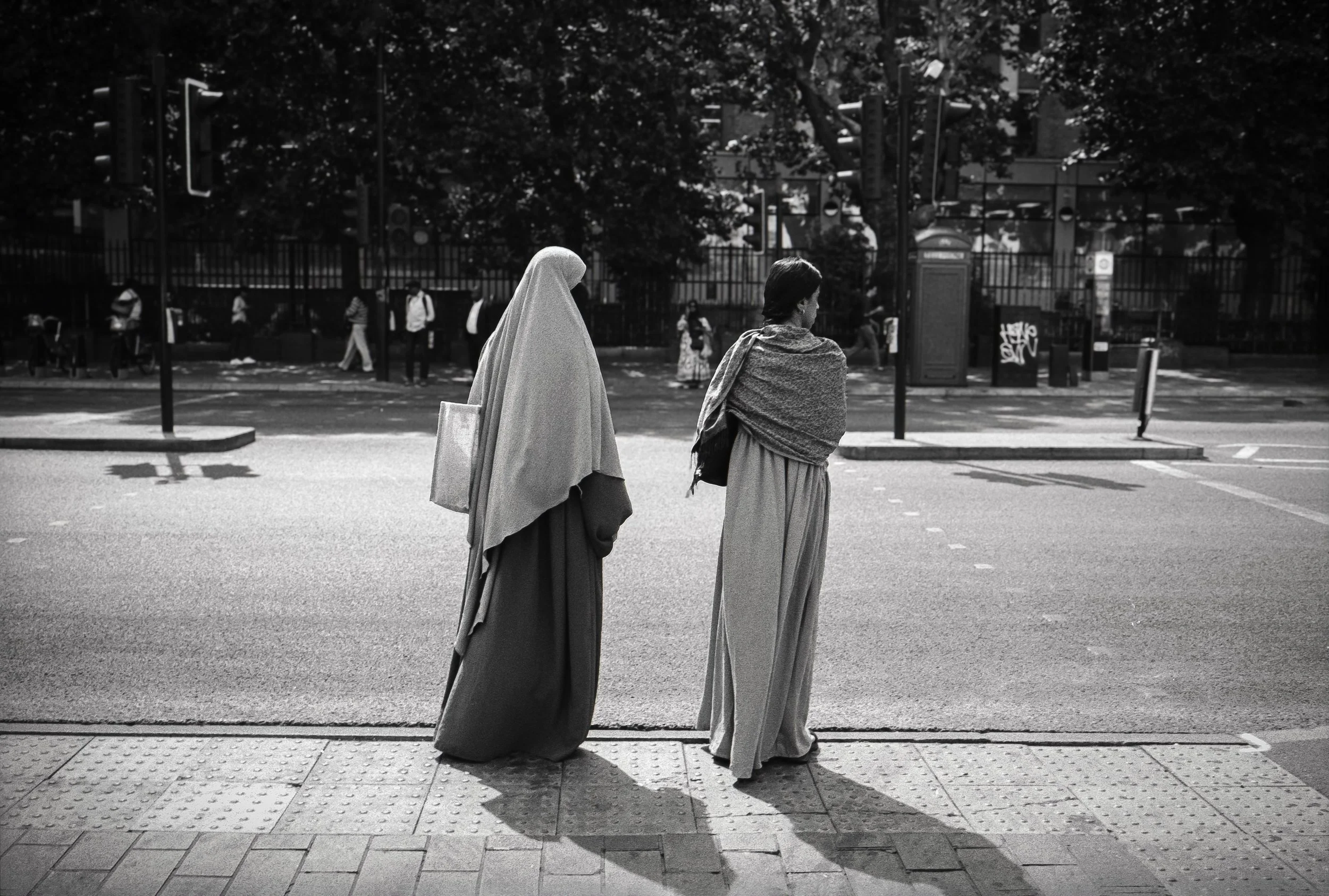
ROAD CROSSING : Whitechapel Market, July 2026. OM2 | TRI-X 400 (rated 800) | 35mm at f11
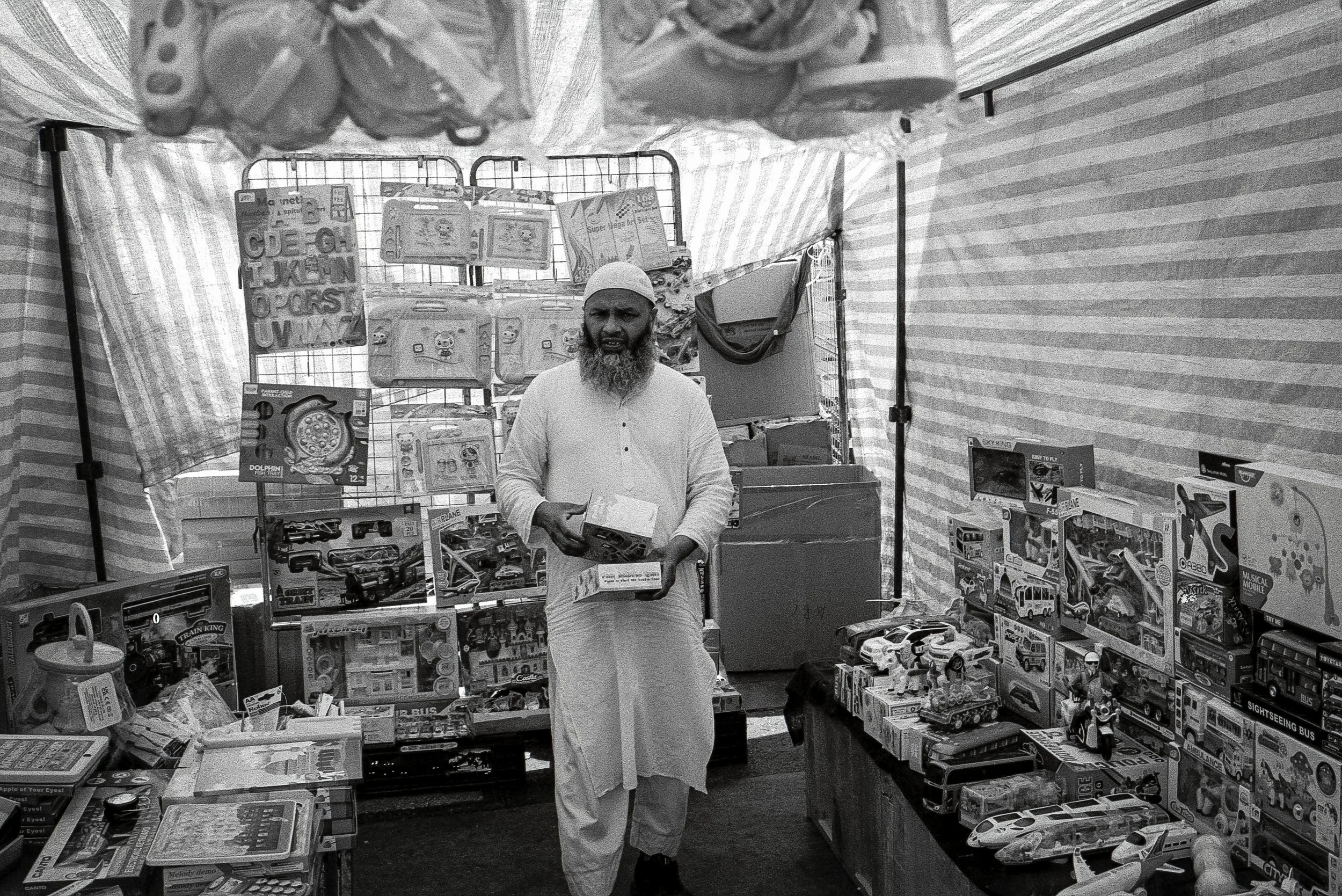
TOY STALL : Whitechapel Market, July 2026. OM2 | TRI-X 400 (rated 800) | 35mm at f11
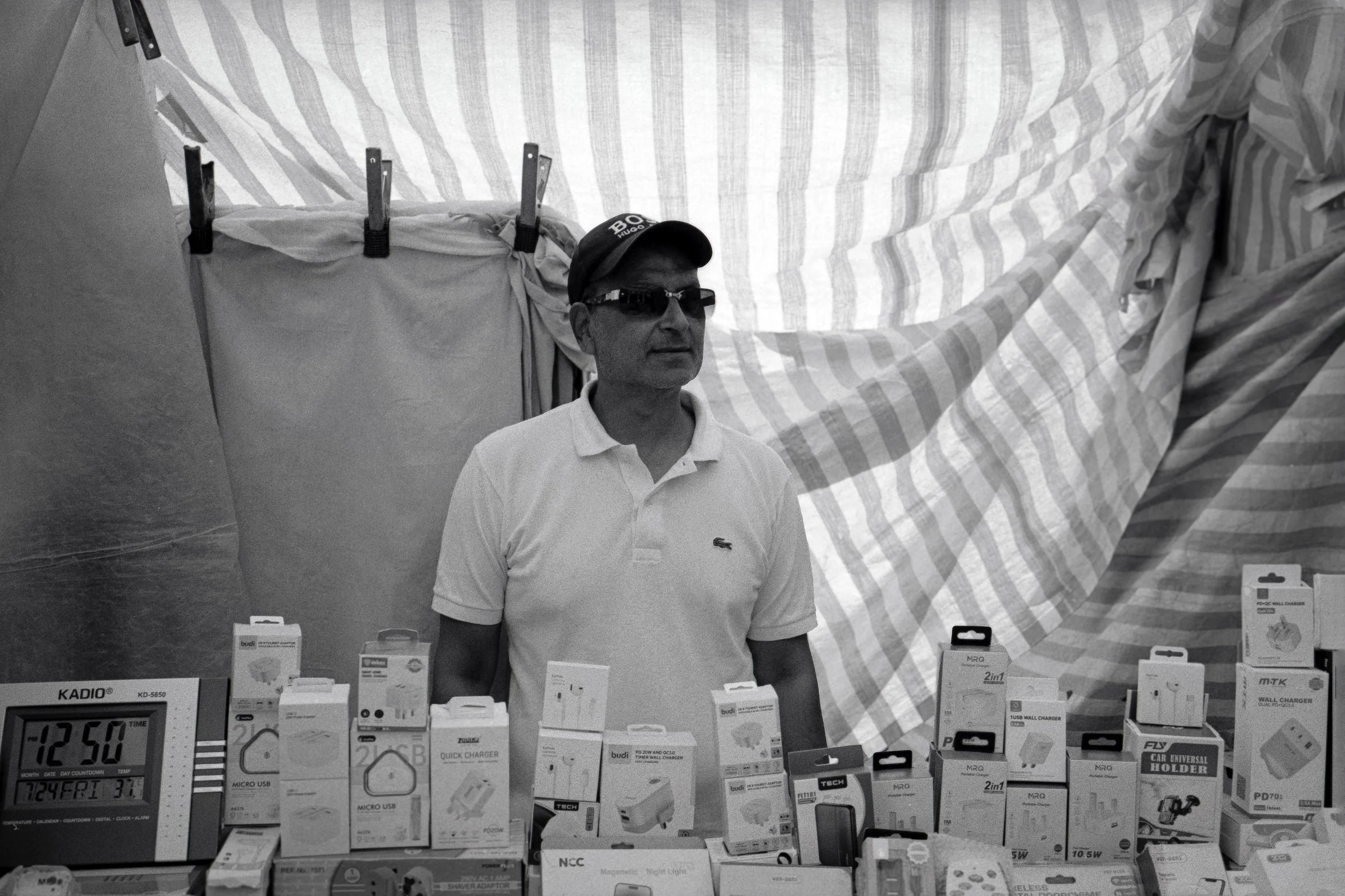
TECH STALL : Whitechapel Market, July 2026. OM2 | TRI-X 400 (rated 800) | 35mm at f11
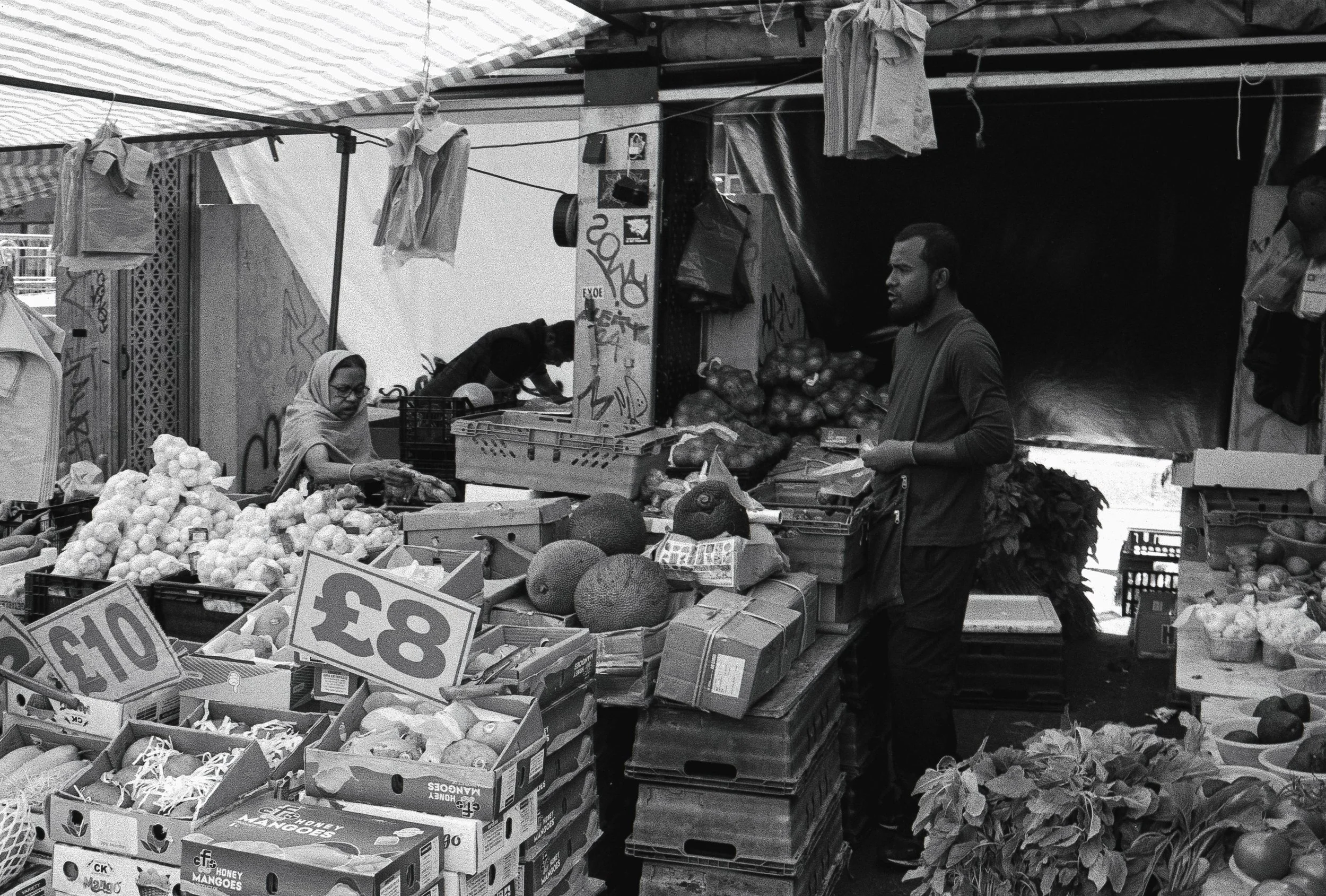
FRUIT STALL : Whitechapel Market, July 2026. OM2 | TRI-X 400 (rated 800) | 35mm at f11
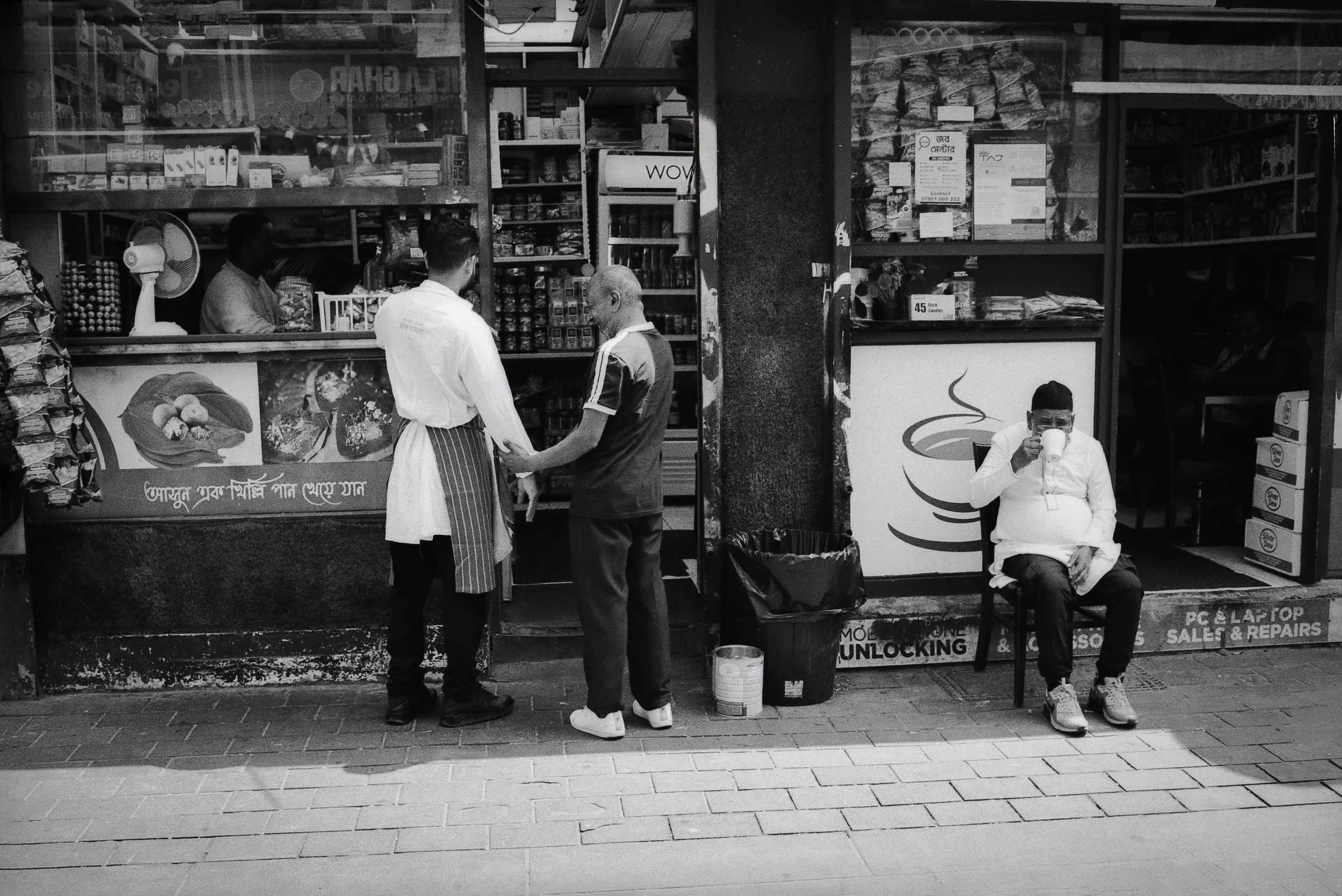
FAMILY SHOP FRONT : Whitechapel Market, July 2026. OM2 | TMax 400 (rated 640) | 35mm at f11
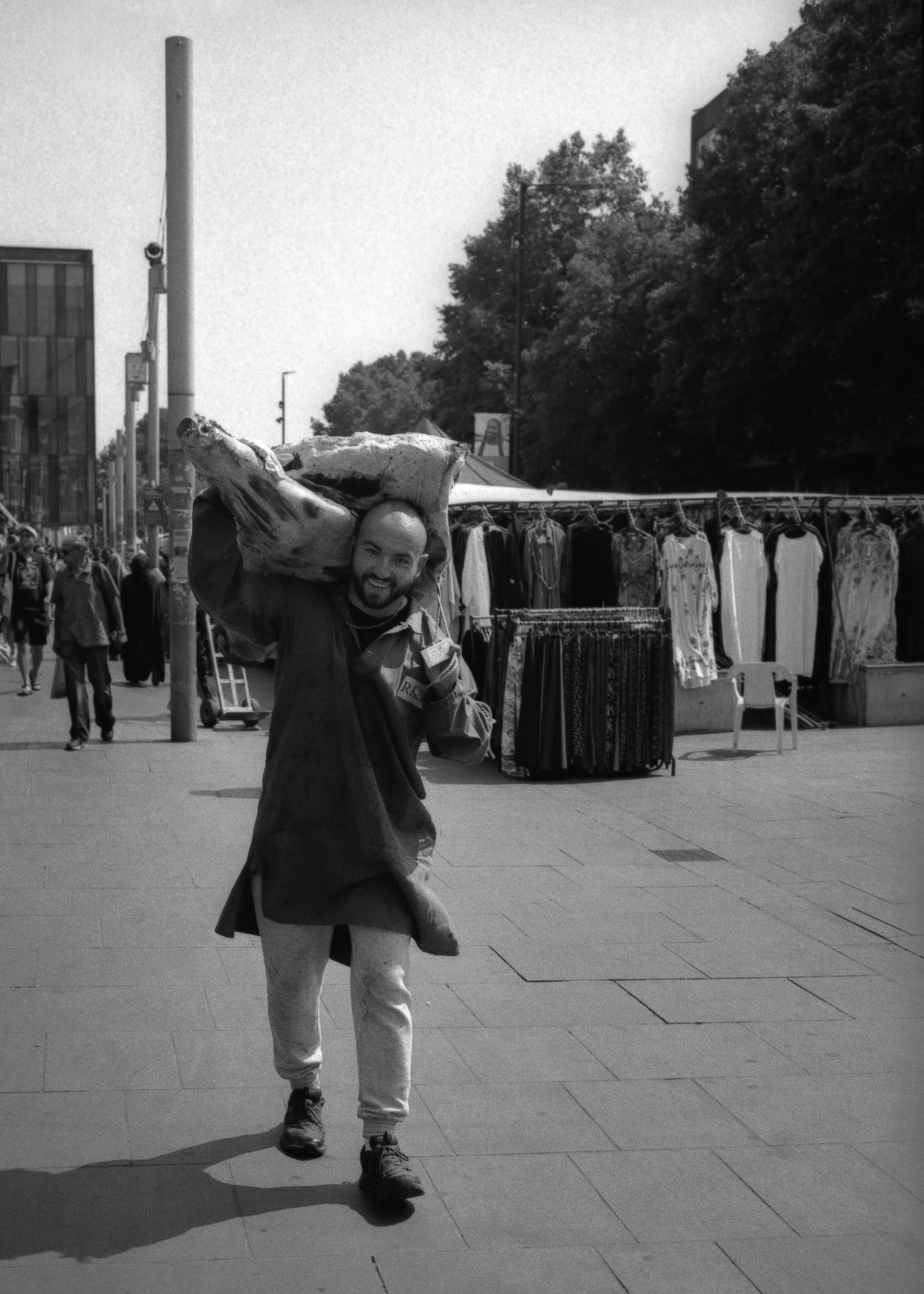
CARRYING THE MEAT : Whitechapel Market, July 2026. OM2 | TMax 400 (rated 640) | 35mm at f11
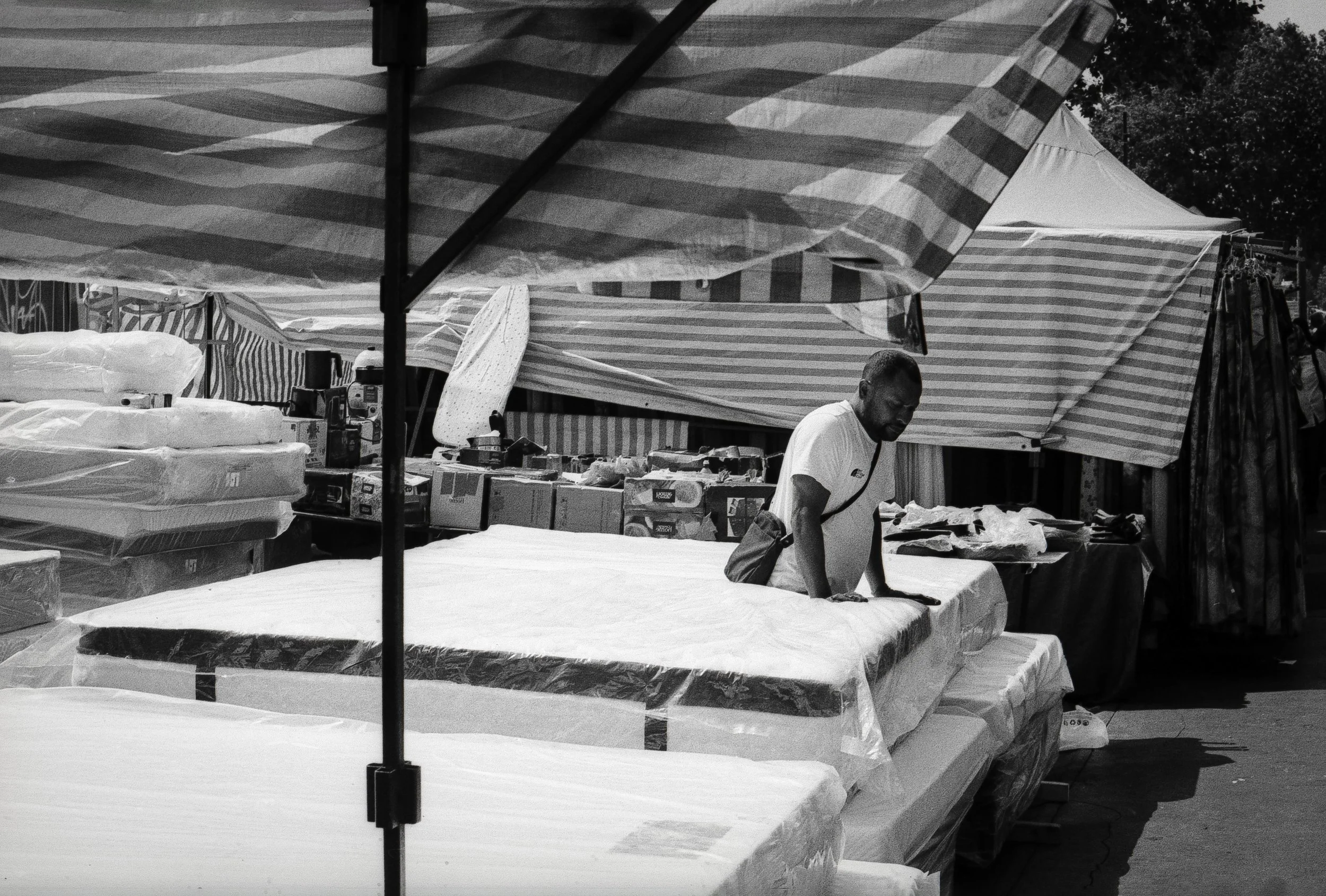
TESTING THE BEDDING : Whitechapel Market, July 2026. OM2 | TMax 400 (rated 640) | 35mm at f11
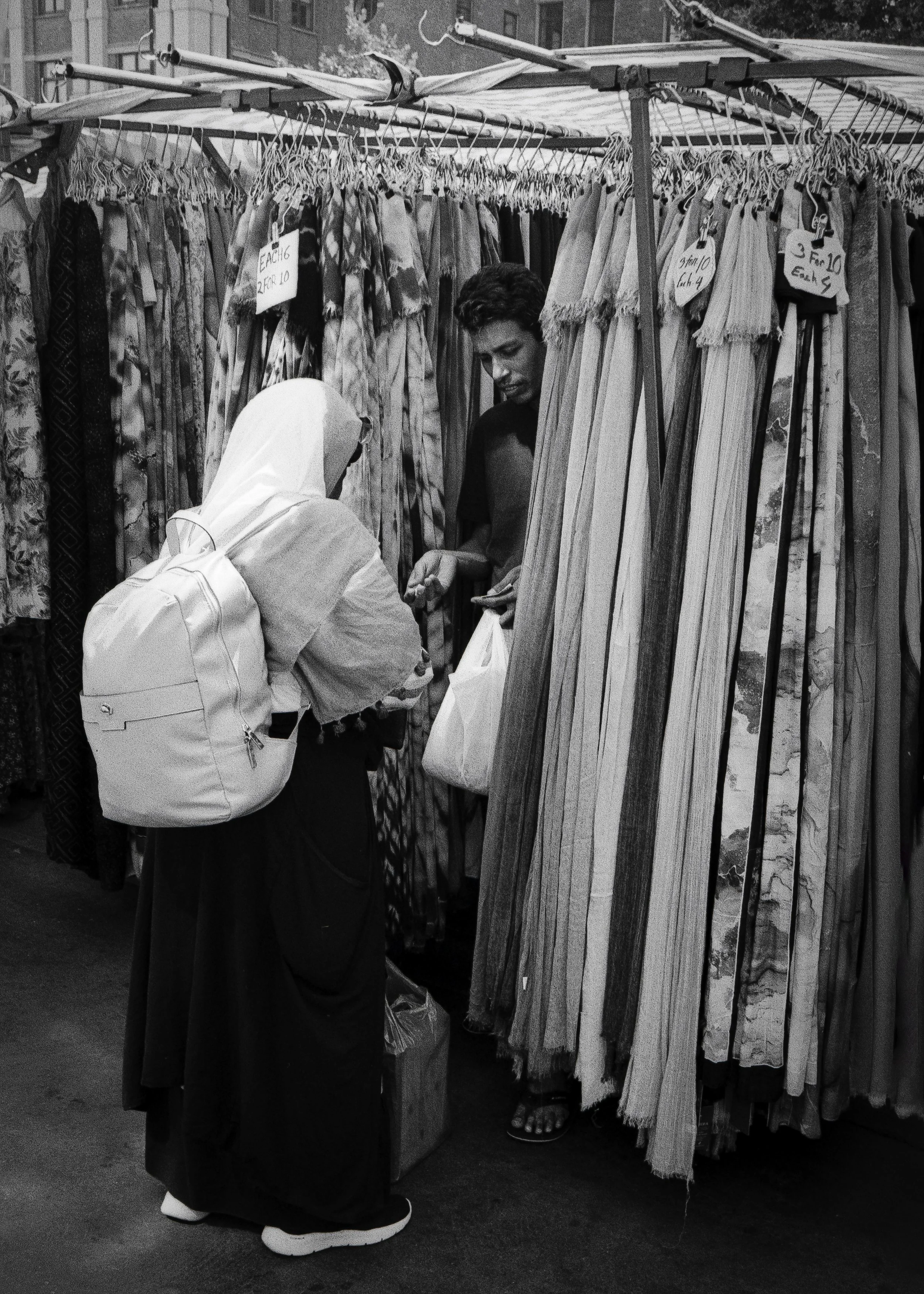
I WILL TAKE IT : Whitechapel Market, July 2026. OM2 | TMax 400 (rated 640) | 35mm at f11
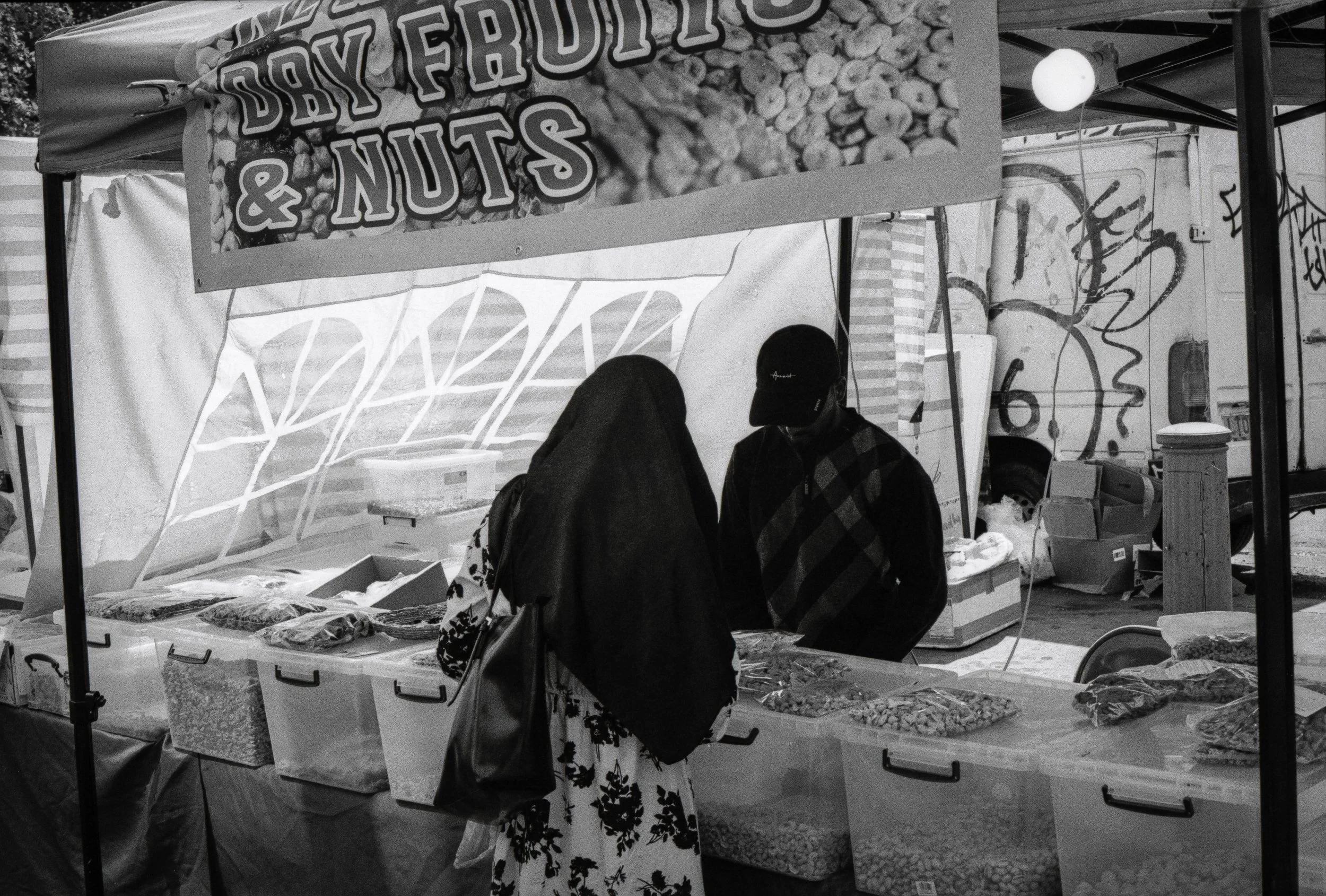
FRUIT AND NUTS STALL : Whitechapel Market, July 2026. OM2 | TMax 400 (rated 640) | 35mm at f11
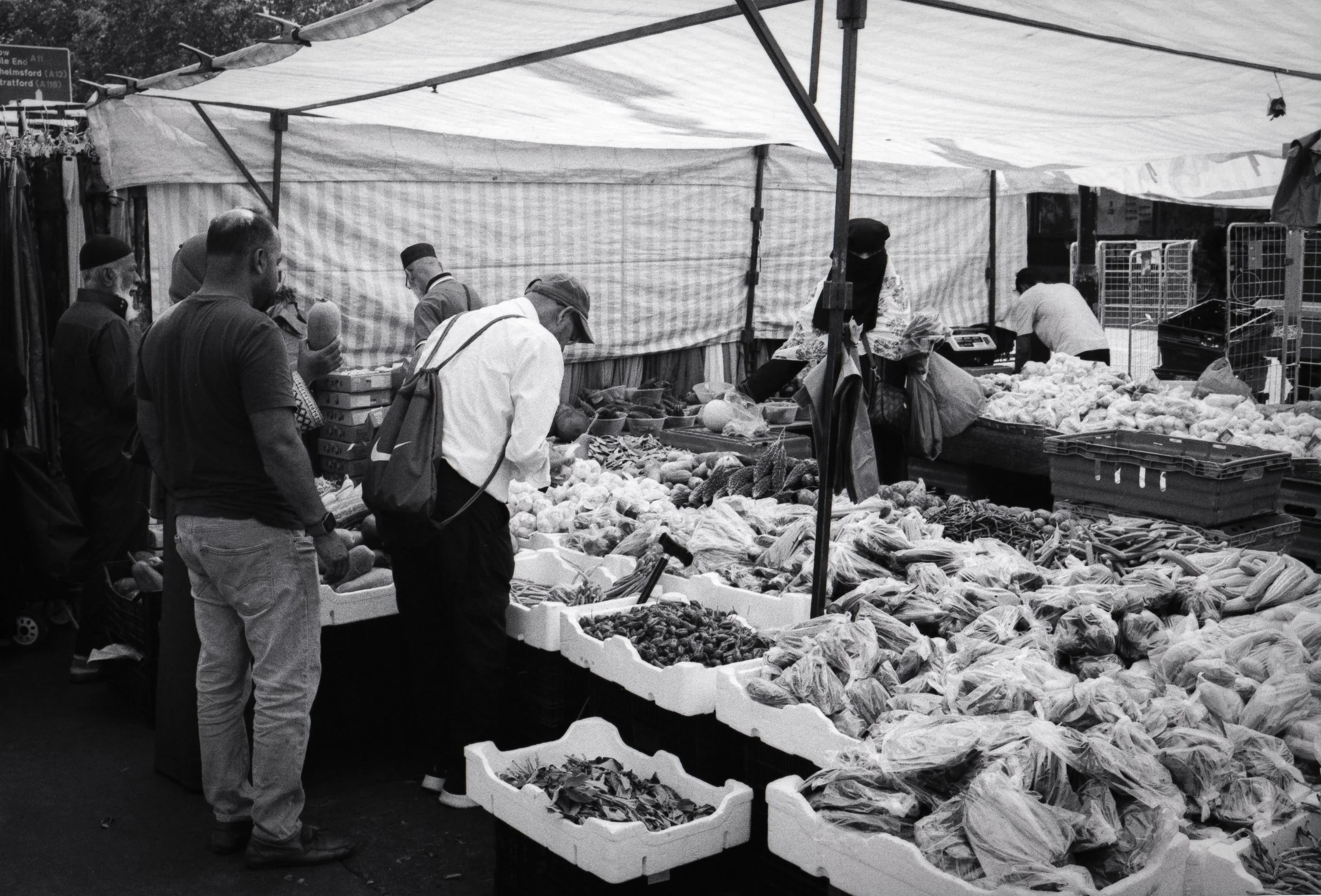
FISH STALL : Whitechapel Market, July 2026. OM2 | TMax 400 (rated 640) | 35mm at f11
LOOKING FOR INSPIRATION : Whitechapel Market, July 2026. OM2 | TMax 400 (rated 640) | 35mm at f11
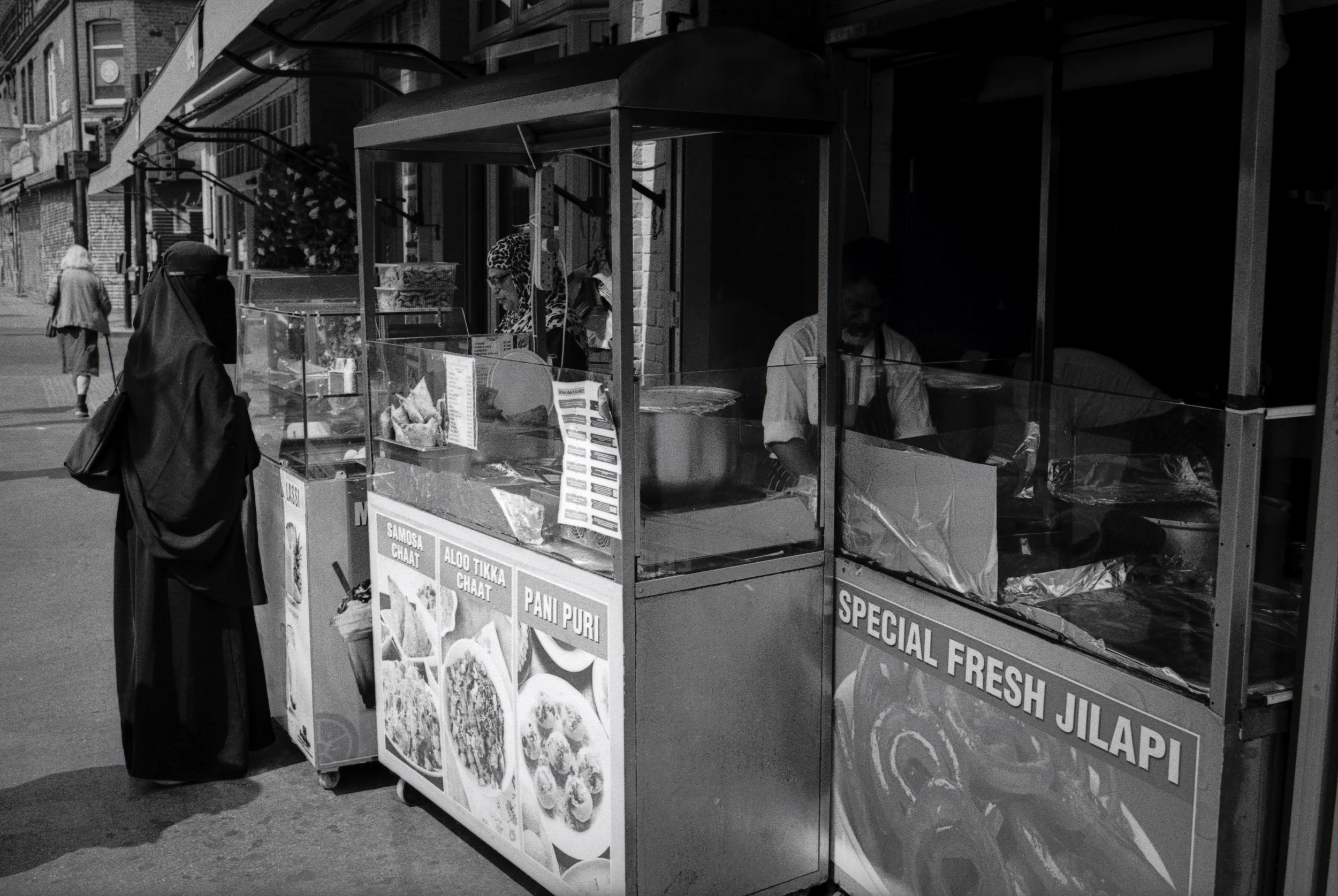
FRESH JALAPI : Whitechapel Market, July 2026. OM2 | TMax 400 (rated 640) | 35mm at f11
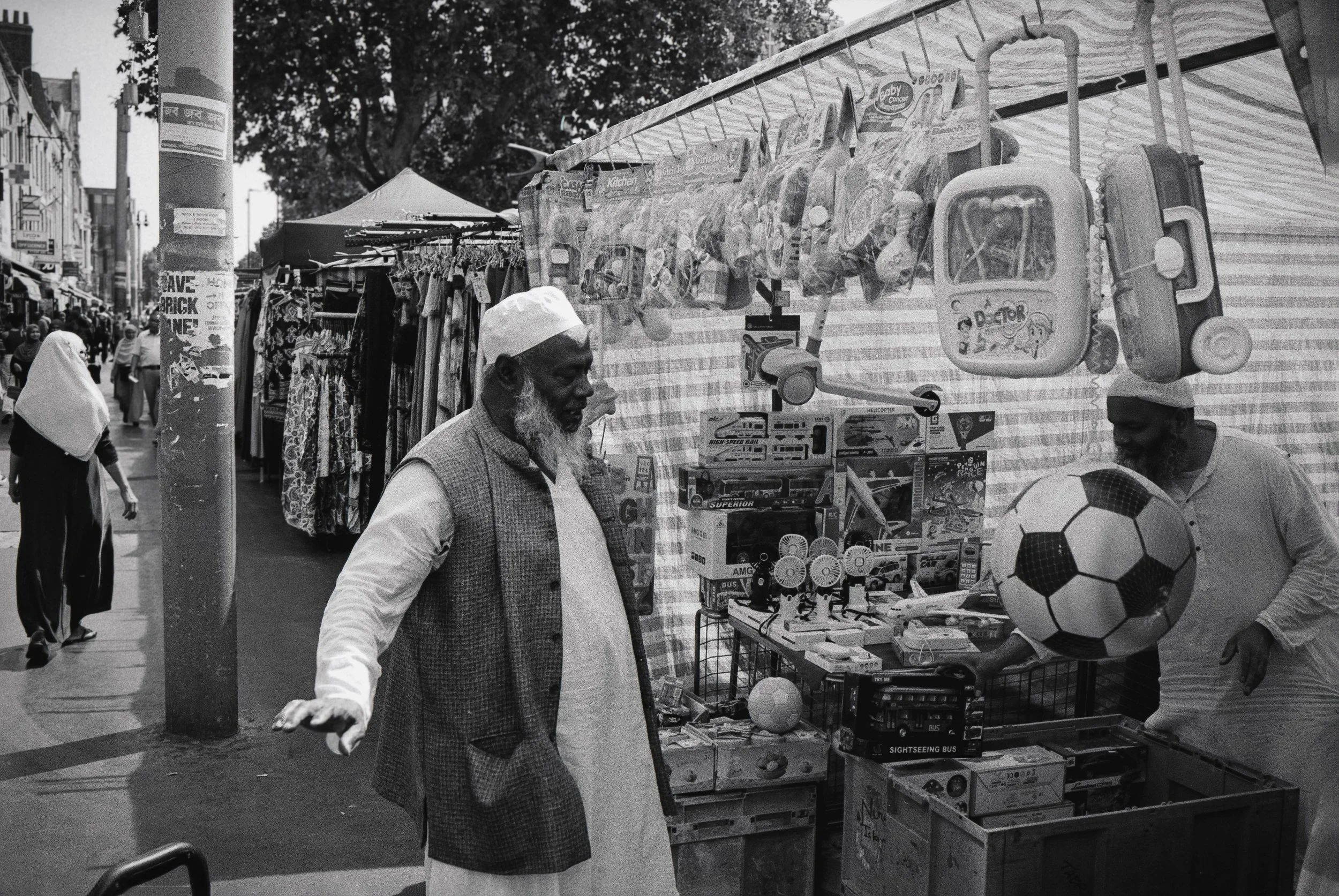
TALKING FOOTBALL : Whitechapel Market, July 2026. OM2 | TRI-X 400 (rated 800) | 35mm at f11
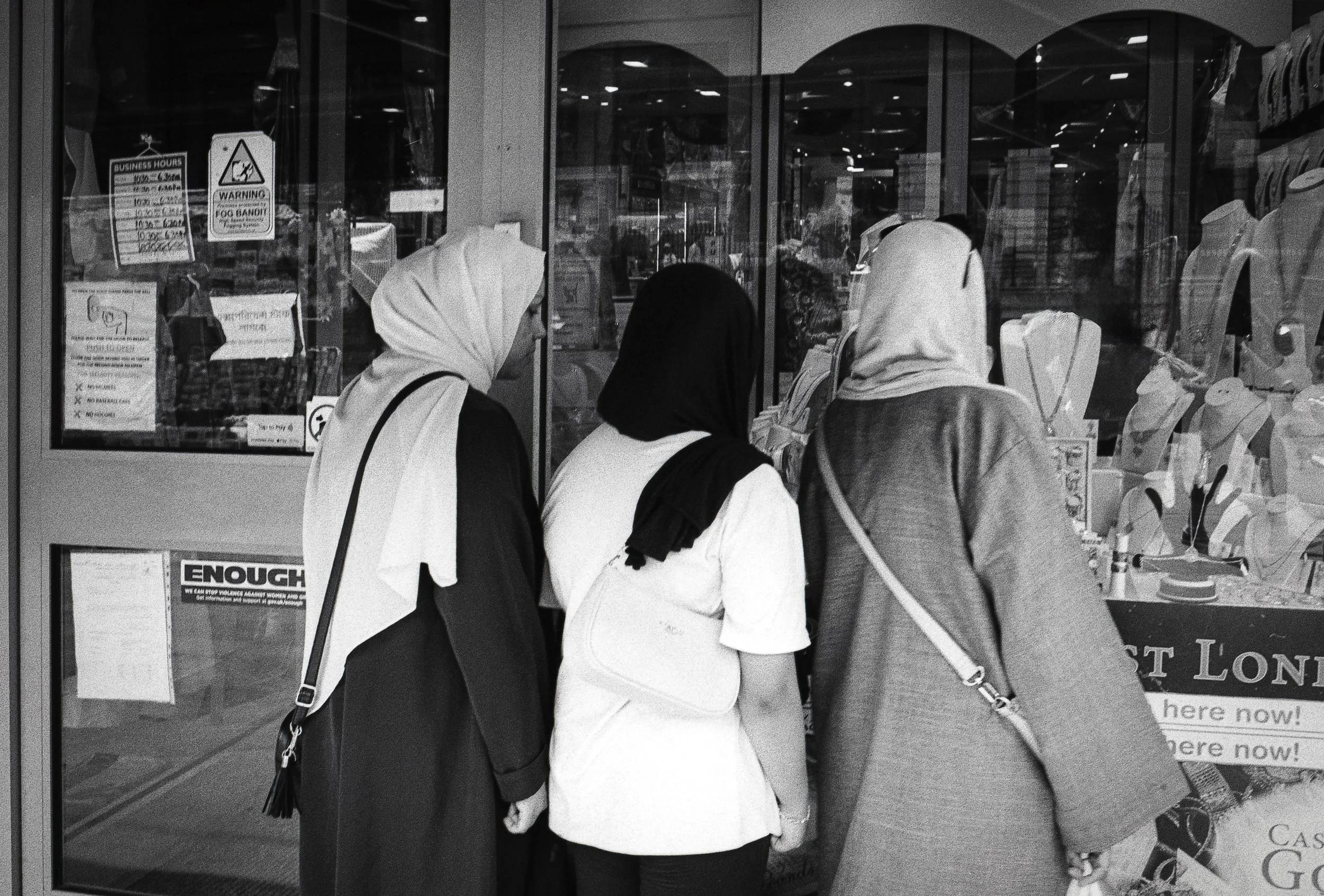
JEWELLERY WINDOW SHOPPING : Whitechapel Market, July 2026. OM2 | TRI-X 400 (rated 800) | 35mm at f11
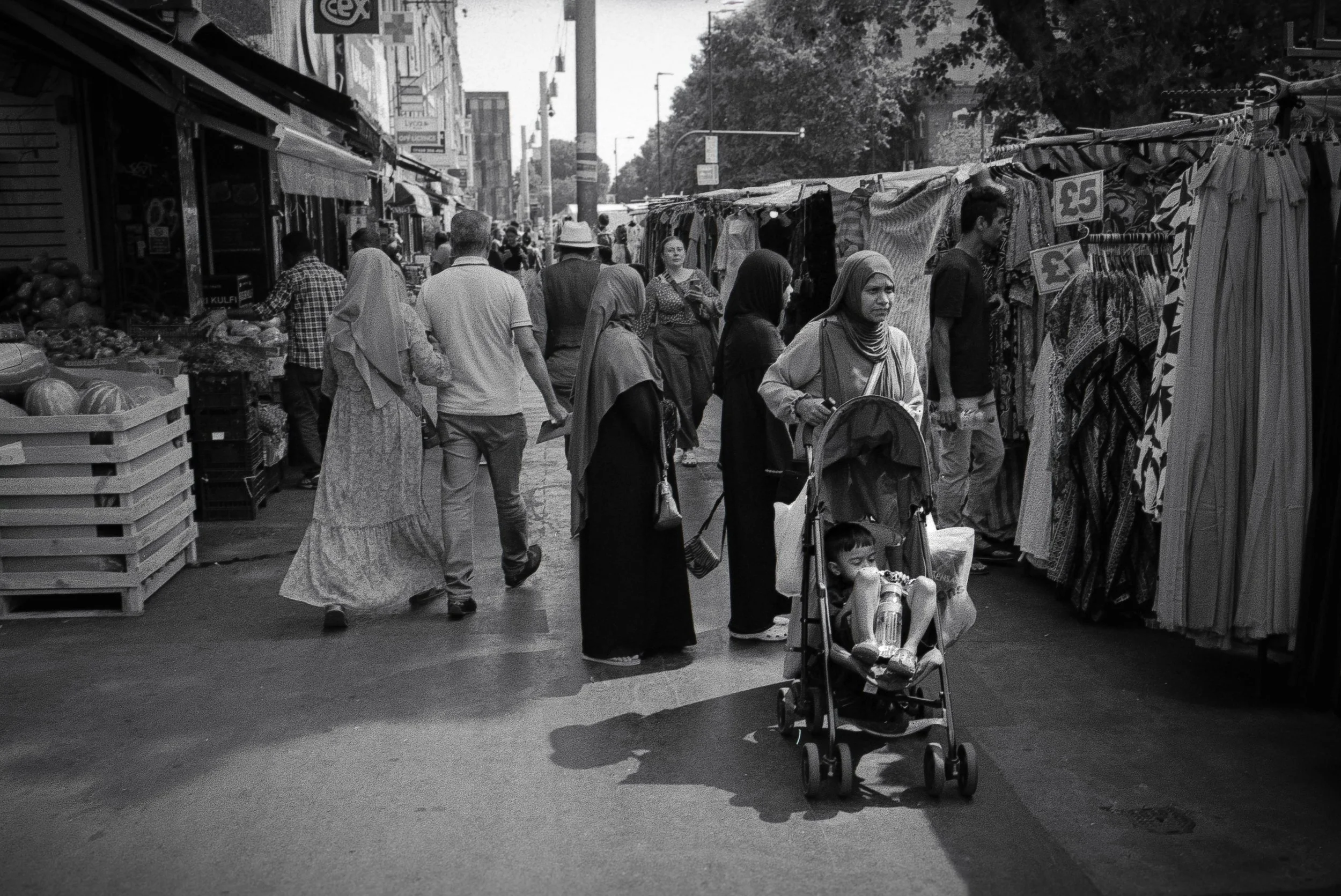
WITH CHILD : Whitechapel Market, July 2026. OM2 | TRI-X 400 (rated 800) | 35mm at f11
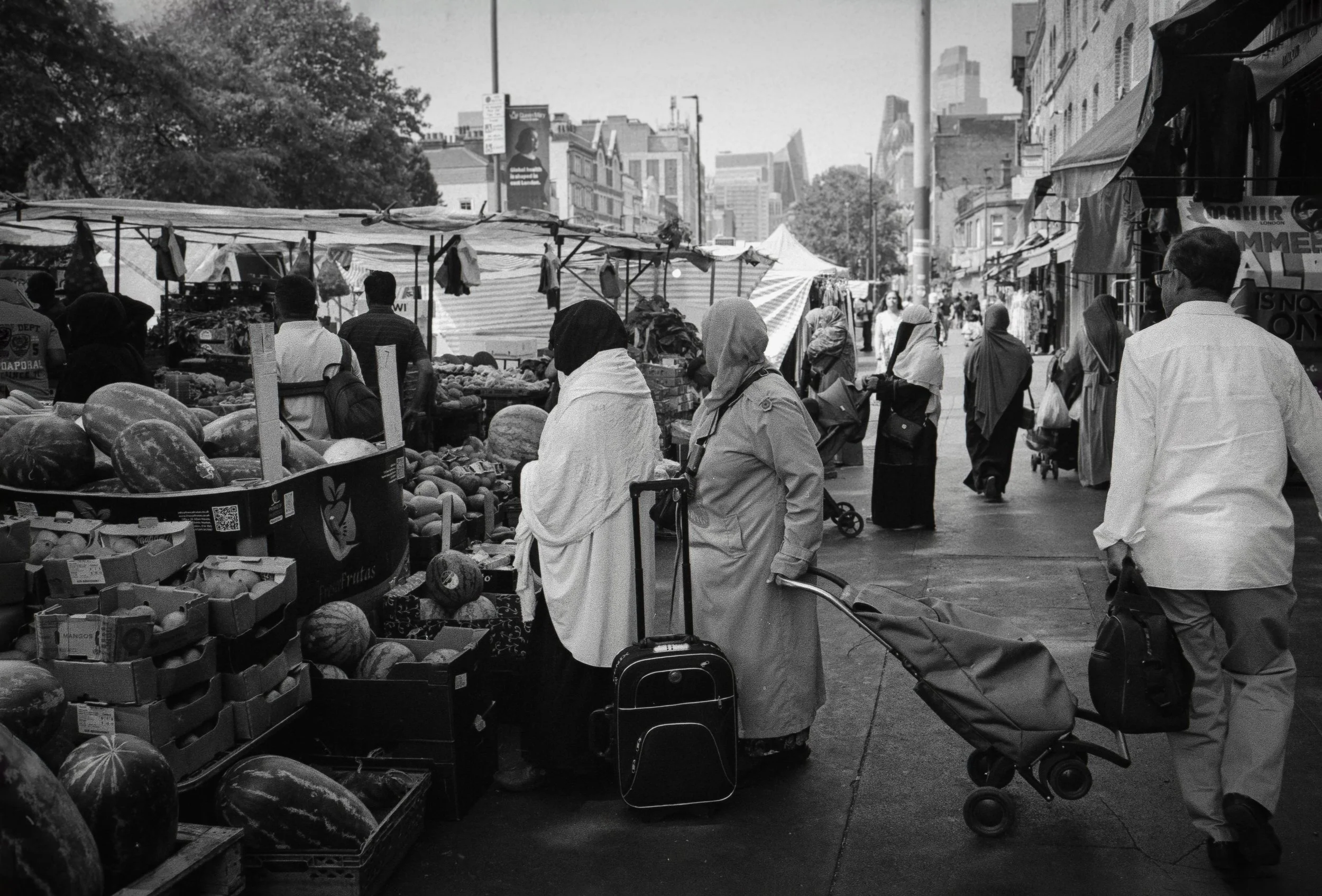
BUSY FRIDAY : Whitechapel Market, July 2026. OM2 | TRI-X 400 (rated 800) | 35mm at f11
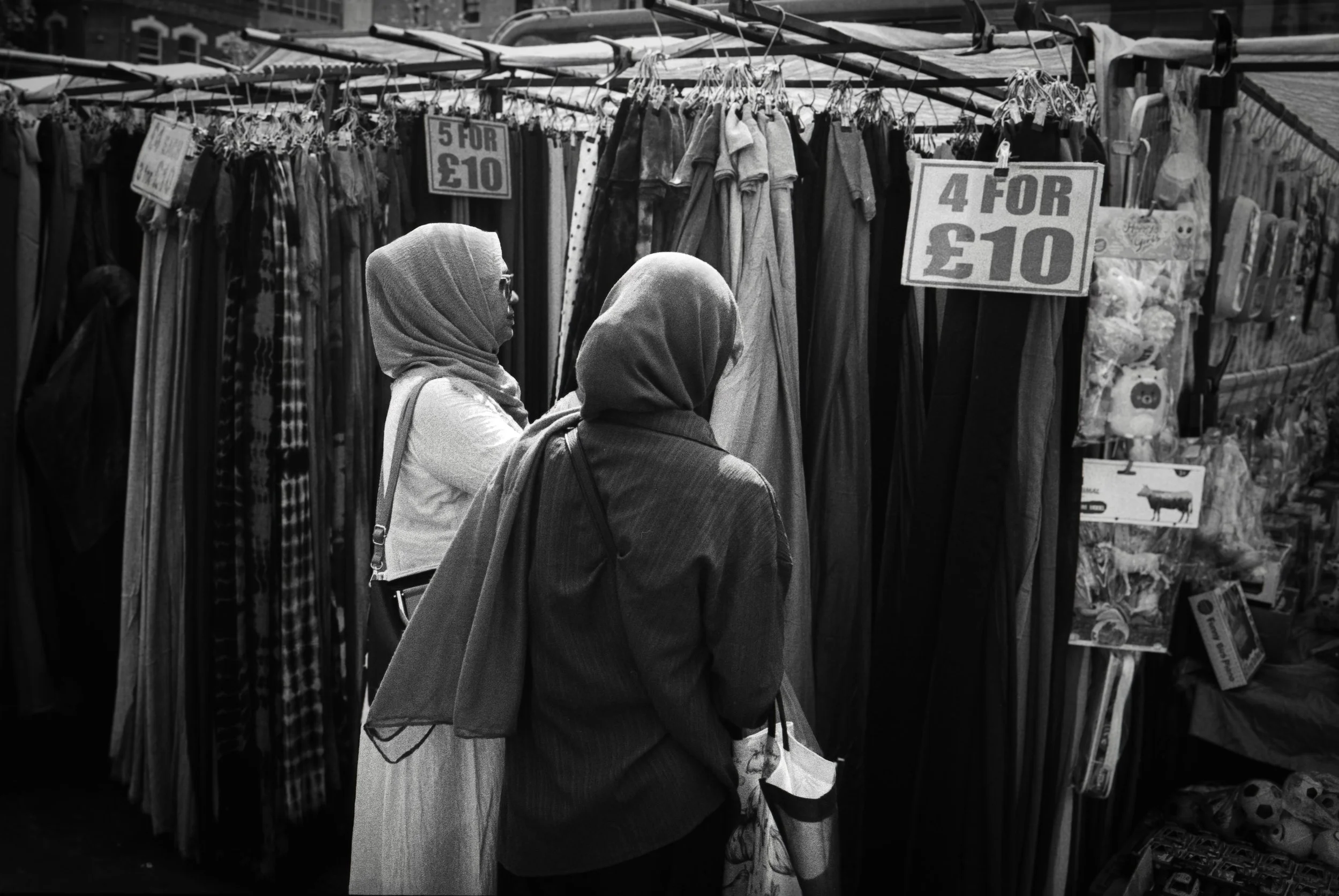
DECISIONS DECISIONS : Whitechapel Market, July 2026. OM2 | TRI-X 400 (rated 800) | 35mm at f11
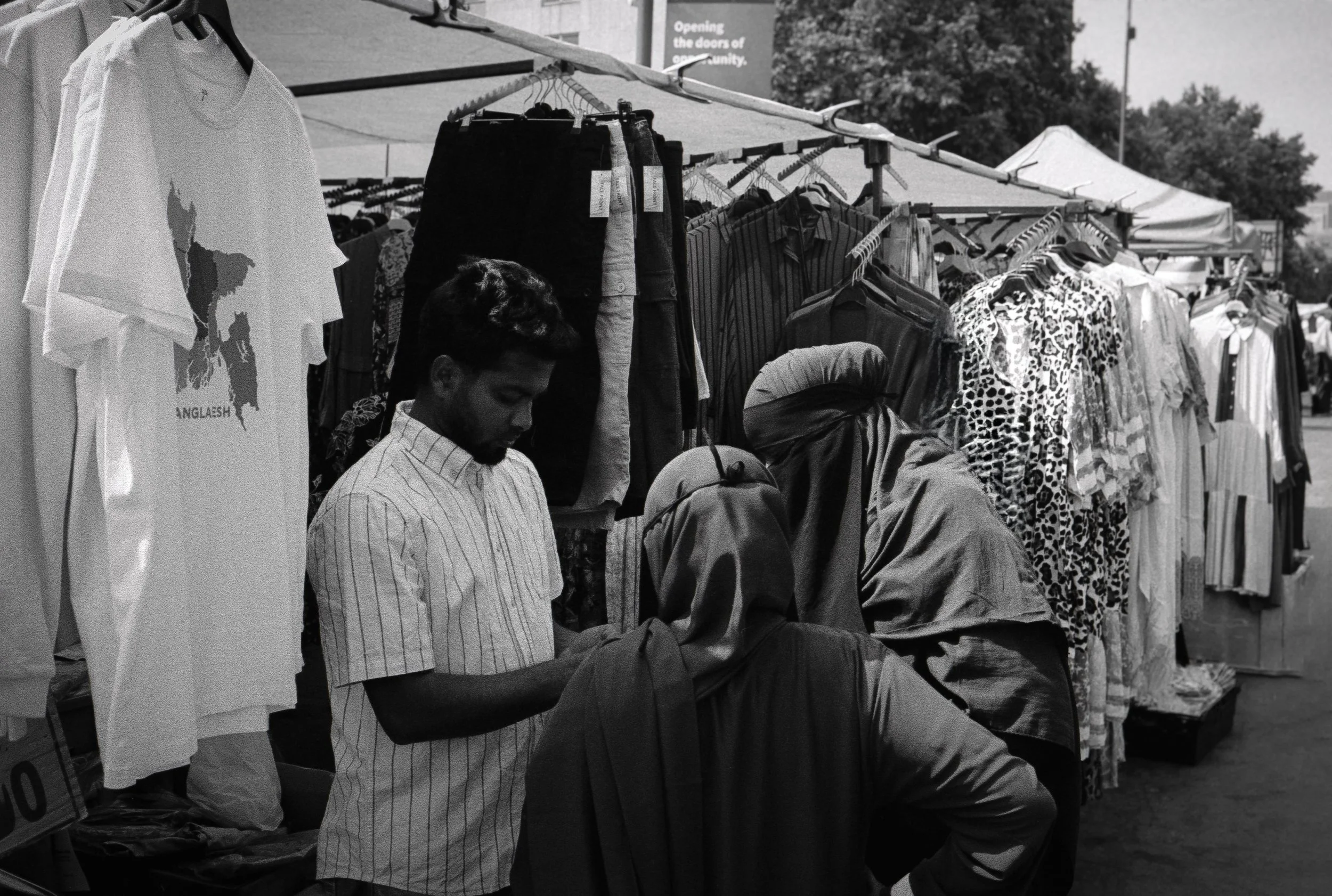
SUCCESSFUL SALE : Whitechapel Market, July 2026. OM2 | TRI-X 400 (rated 800) | 35mm at f11
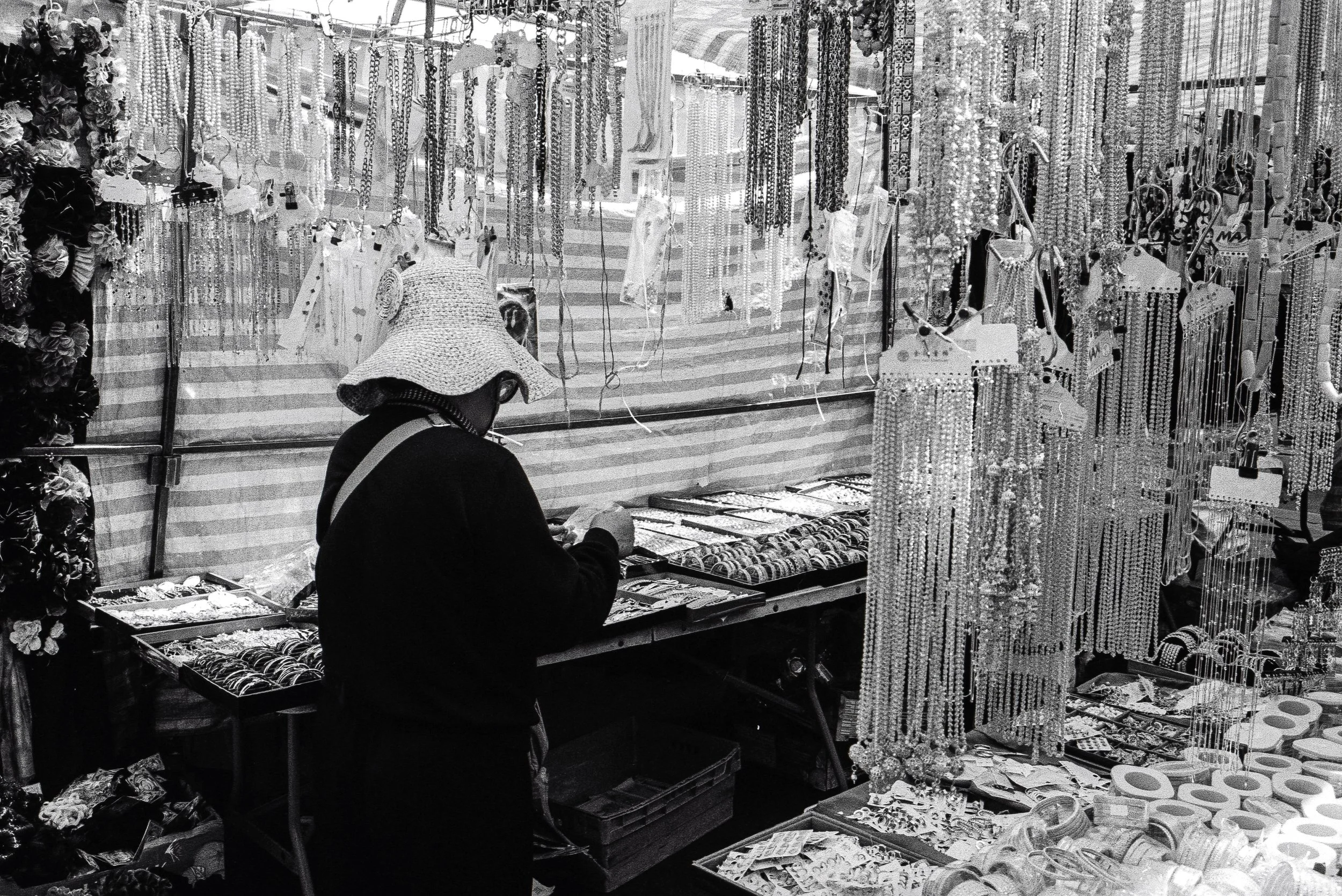
JEWELLEY STALL : Whitechapel Market, July 2026. OM2 | TRI-X 400 (rated 800) | 35mm at f11
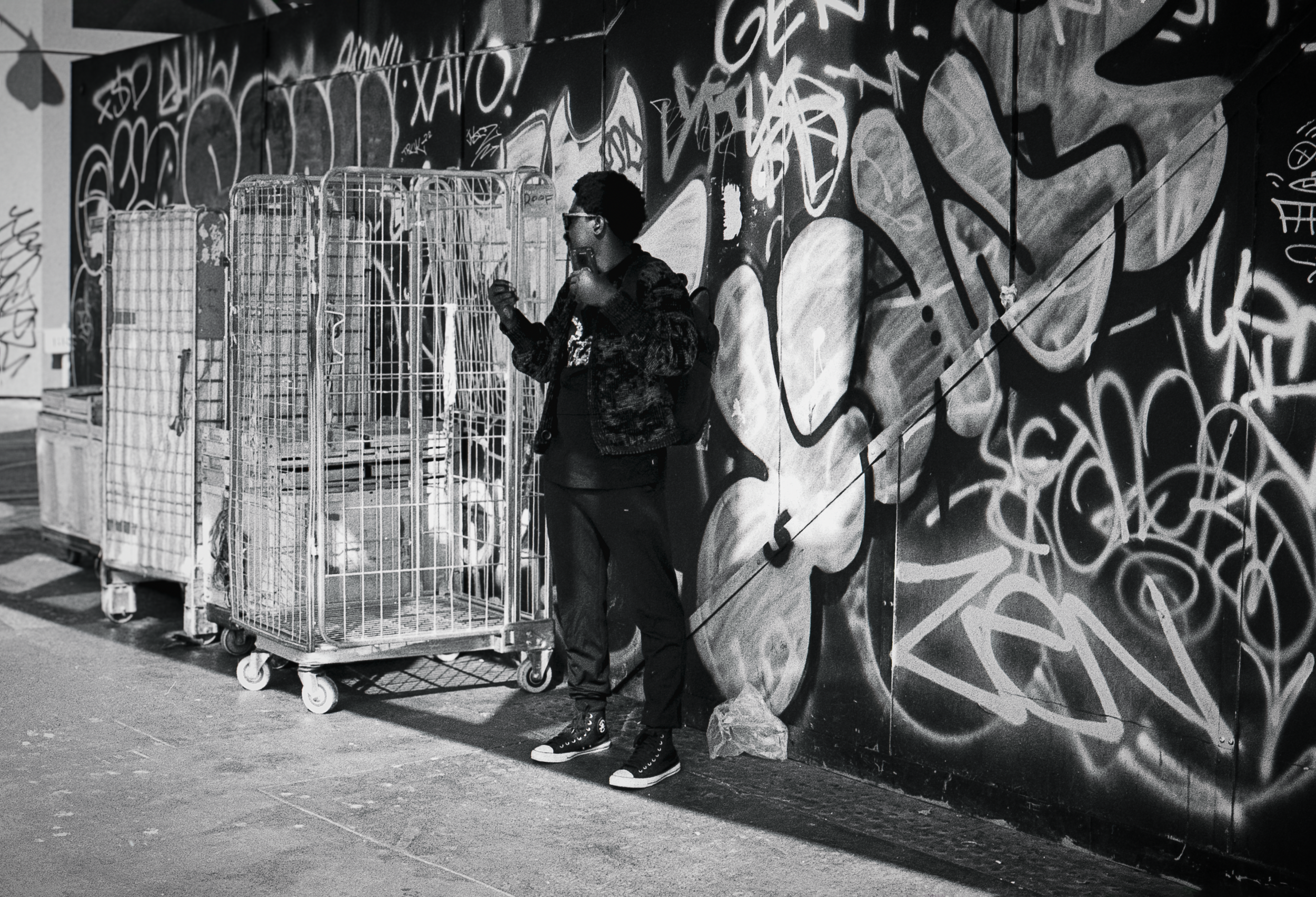
BY THE WALL : Whitechapel Market, July 2026. OM2 | TRI-X 400 (rated 640) | 35mm at f11
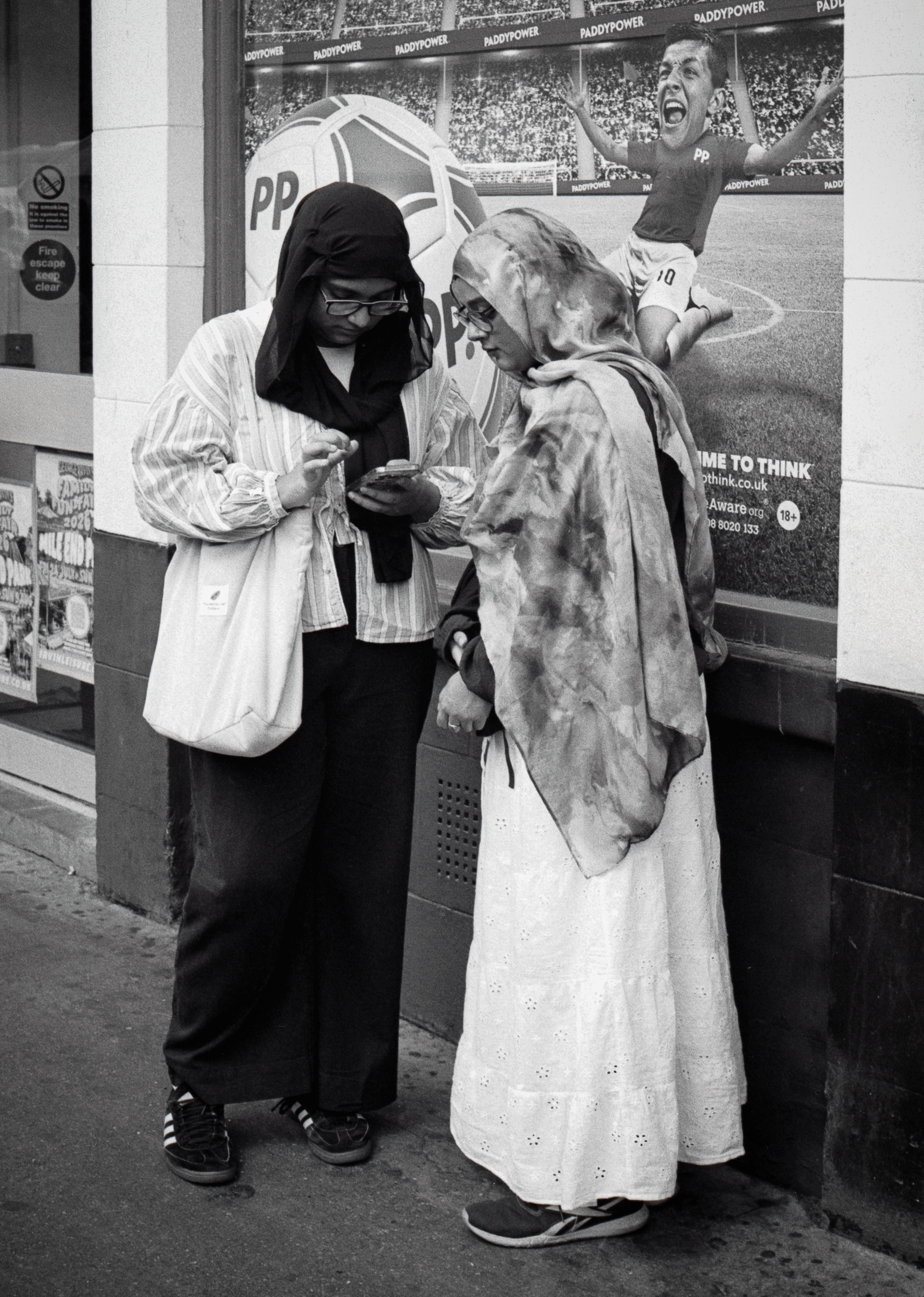
SHARED ONLINE : Whitechapel Market, July 2026. OM2 | TRI-X 400 (rated 640) | 35mm at f11