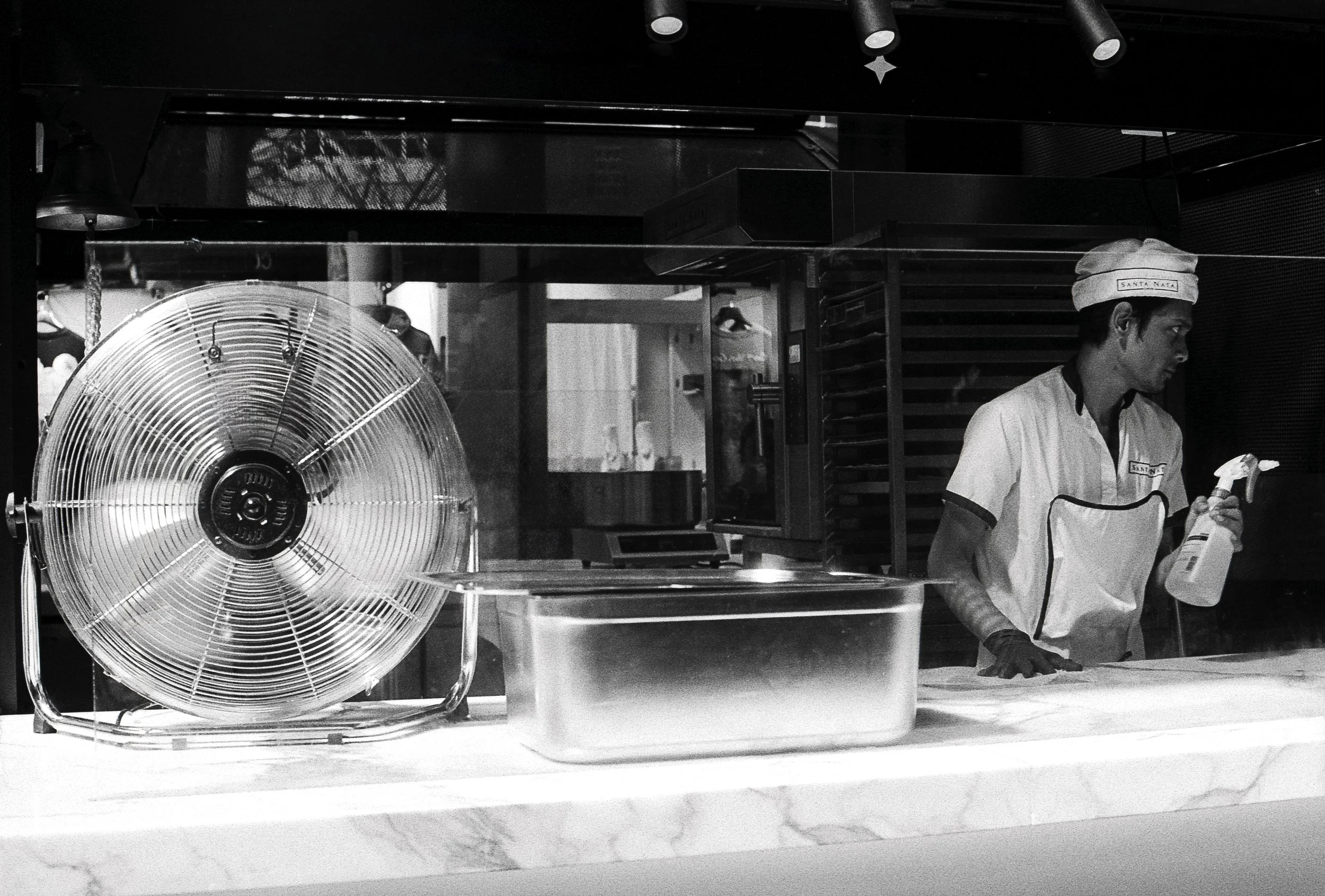
Spitalfields : From Market to Marketplace
Few places in East London embody the transformation of the city quite as vividly as Spitalfields. For centuries, its market has stood at the meeting point of commerce, migration and change. The market we see today, surrounded by restaurants, independent shops, galleries and creative businesses, is only the latest chapter in a much longer story. Beneath the recently gentrified façades lies a neighbourhood shaped by generations of newcomers who arrived here, often desperate to work, trade and build their lives.
The story begins in the seventeenth century, when the area was still largely open ground beyond the City of London. The arrival of French Huguenots fleeing religious persecution transformed Spitalfields. Skilled silk weavers settled in the surrounding streets, bringing an industry that would define the area for generations. Their workshops and elegant houses remain part of the landscape, reminders of a community that arrived as outsiders but became part of the economic and cultural life of East London.
By the nineteenth century, Spitalfields had become a densely populated working district. Jewish immigrants from Eastern Europe joined the communities already established here, followed later by people from Ireland, Bangladesh and many other parts of the world. The market became a place where these different communities encountered one another through trade. Clothing, textiles, food and household goods changed hands, while the surrounding streets provided homes, workshops, places of worship and businesses. Spitalfields was never simply a market; it was part of the infrastructure of immigrant London.
The market itself developed and expanded as London grew. What began as a relatively modest trading place became an important wholesale and retail centre, particularly for fruit and vegetables. For generations, traders arrived before dawn and worked long hours, supplying the East End while creating livelihoods for their families. The market's bustle was inseparable from the surrounding community: commerce was not an attraction but a way of life.
By the latter part of the twentieth century, however, that world began to disappear. Wholesale trading moved elsewhere, traditional industries declined and the neighbourhood experienced the economic pressures that affected much of the East End. The old market faced an uncertain future, while the buildings and streets around it attracted increasing attention from developers, artists and a new generation of businesses.
The transformation that followed was dramatic. The historic market buildings were restored and Old Spitalfields Market emerged in a new form, bringing together independent retailers, designers, restaurants, food stalls and creative enterprises. What had once been primarily a place of necessity became a destination in its own right. Today, visitors arrive from across London and beyond, drawn by its architecture, food, fashion and atmosphere.
Yet the new Spitalfields exists alongside the memory of the old. The market's contemporary character reflects a very different East London from the one inhabited by silk weavers, tailors, fruit merchants and immigrant families. Rising property values and the arrival of affluent residents have transformed the surrounding streets, creating the familiar tensions between preservation, prosperity and gentrification. The question is not whether Spitalfields has changed. It unquestionably has, but what remains visible beneath those changes?
Perhaps that is what makes Spitalfields so compelling. It is a place where the past has not disappeared so much as been layered over. The Huguenot weaver, the Jewish tailor, the Bangladeshi shopkeeper, the market trader and today's designer or restaurateur occupy different moments in the same continuing story.
To walk through Spitalfields today is to move between different versions of London. The fashionable marketplace of the present stands upon the working market of the past, and both belong to the same restless city. Its history is not simply one of decline and renewal, but of continual reinvention. A story of people arriving, adapting and making a place their own.
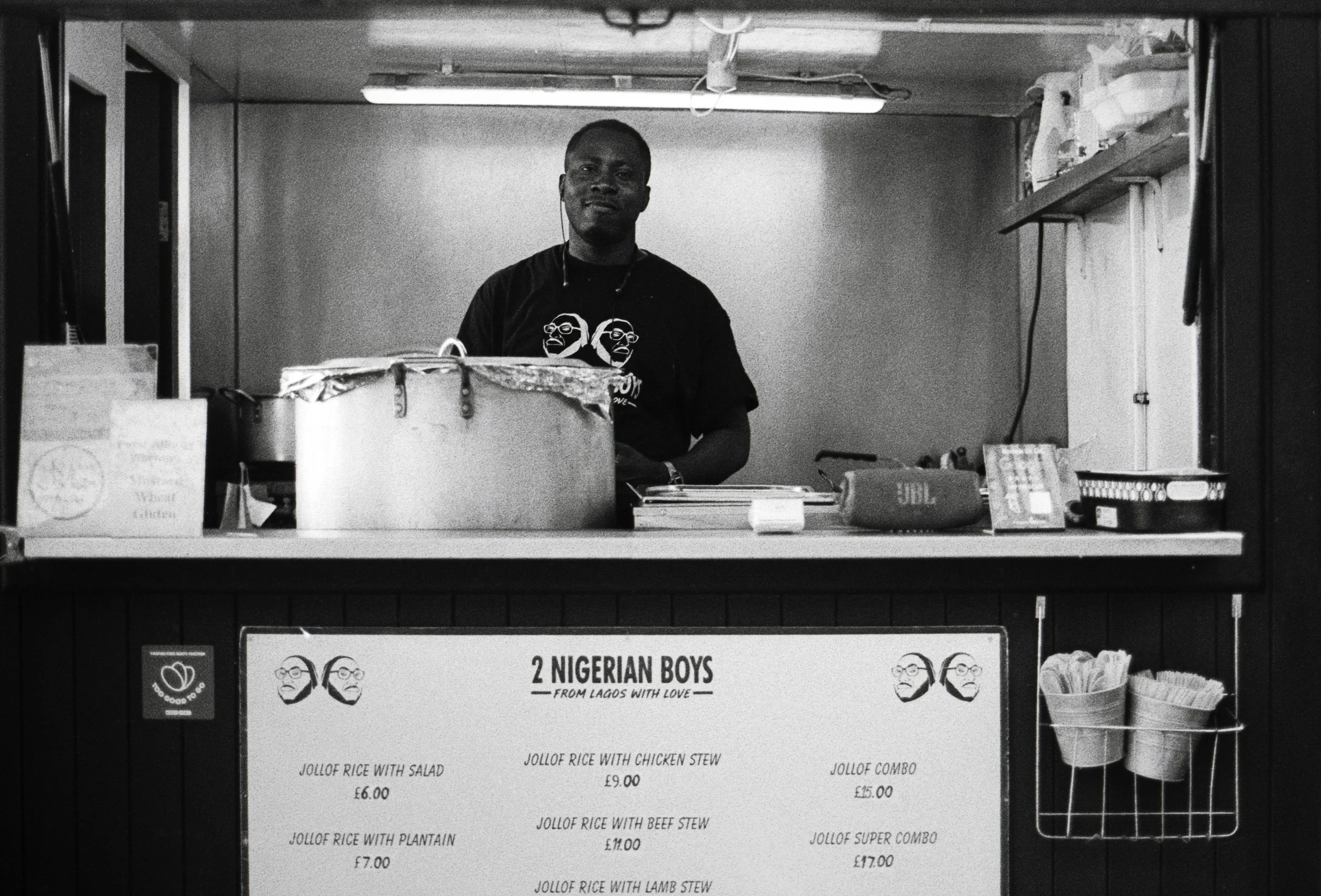
TWO NIGERIAN BOYS : Spitalfields, August 2026. OM2 | TRI-X 400 (rated 640) | 50mm at f11
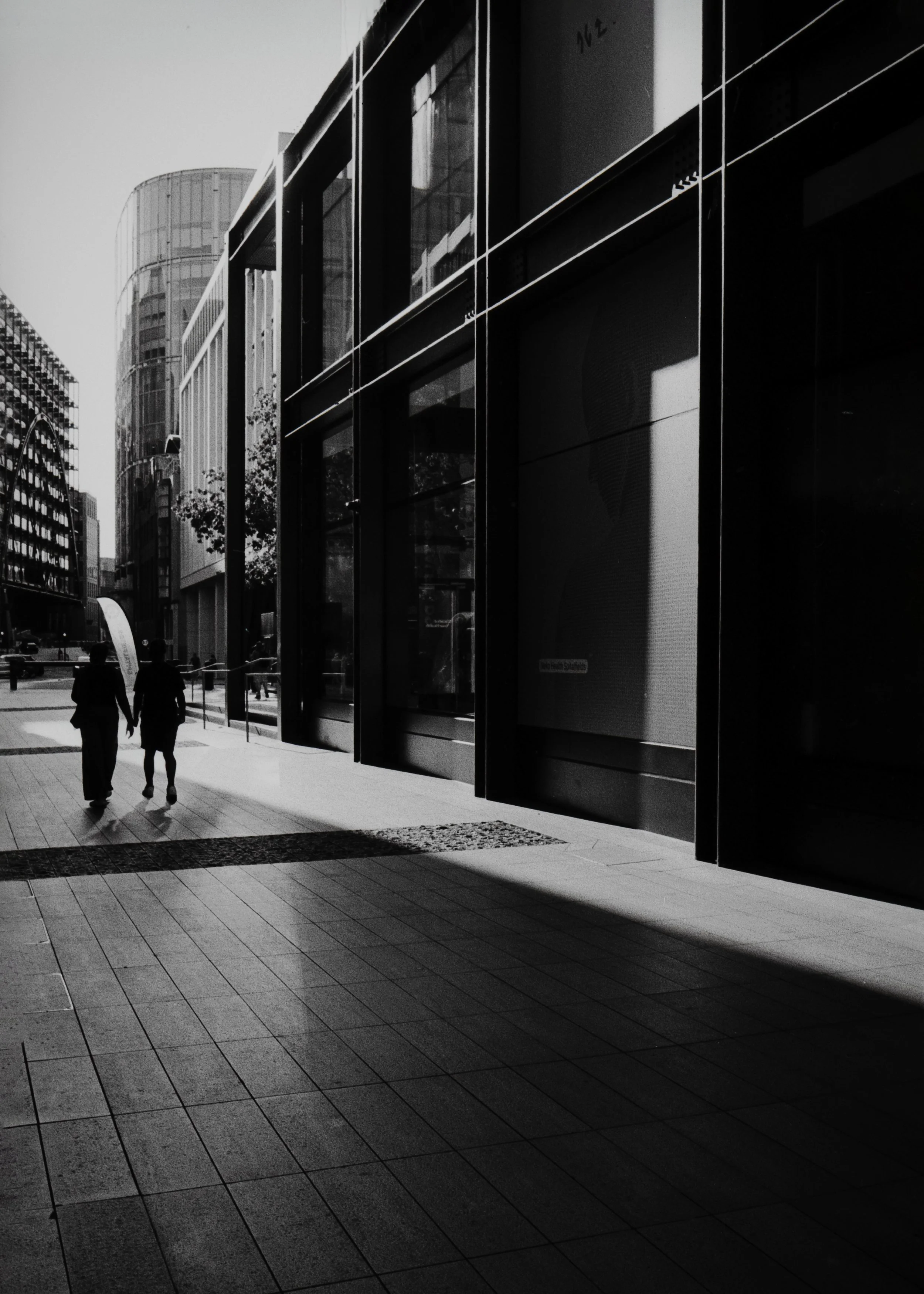
SUNDOWN SILHOUETTES : Spitalfields, August 2026. OM2 | TRI-X 400 (rated 640) | 35mm at f11
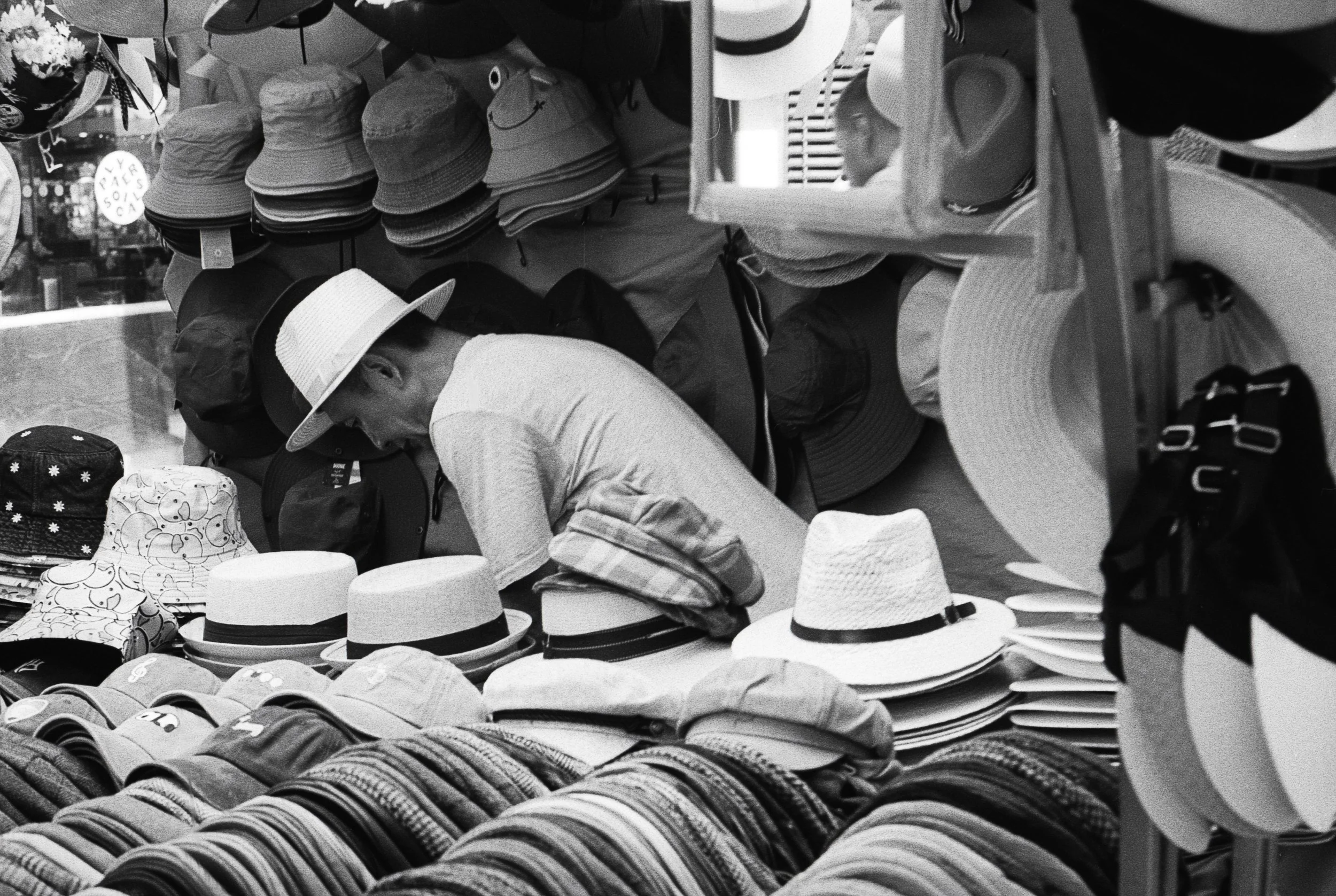
HAT EMPORIUM : Spitalfields, August 2026. OM2 | TRI-X 400 (rated 640) | 50mm at f11
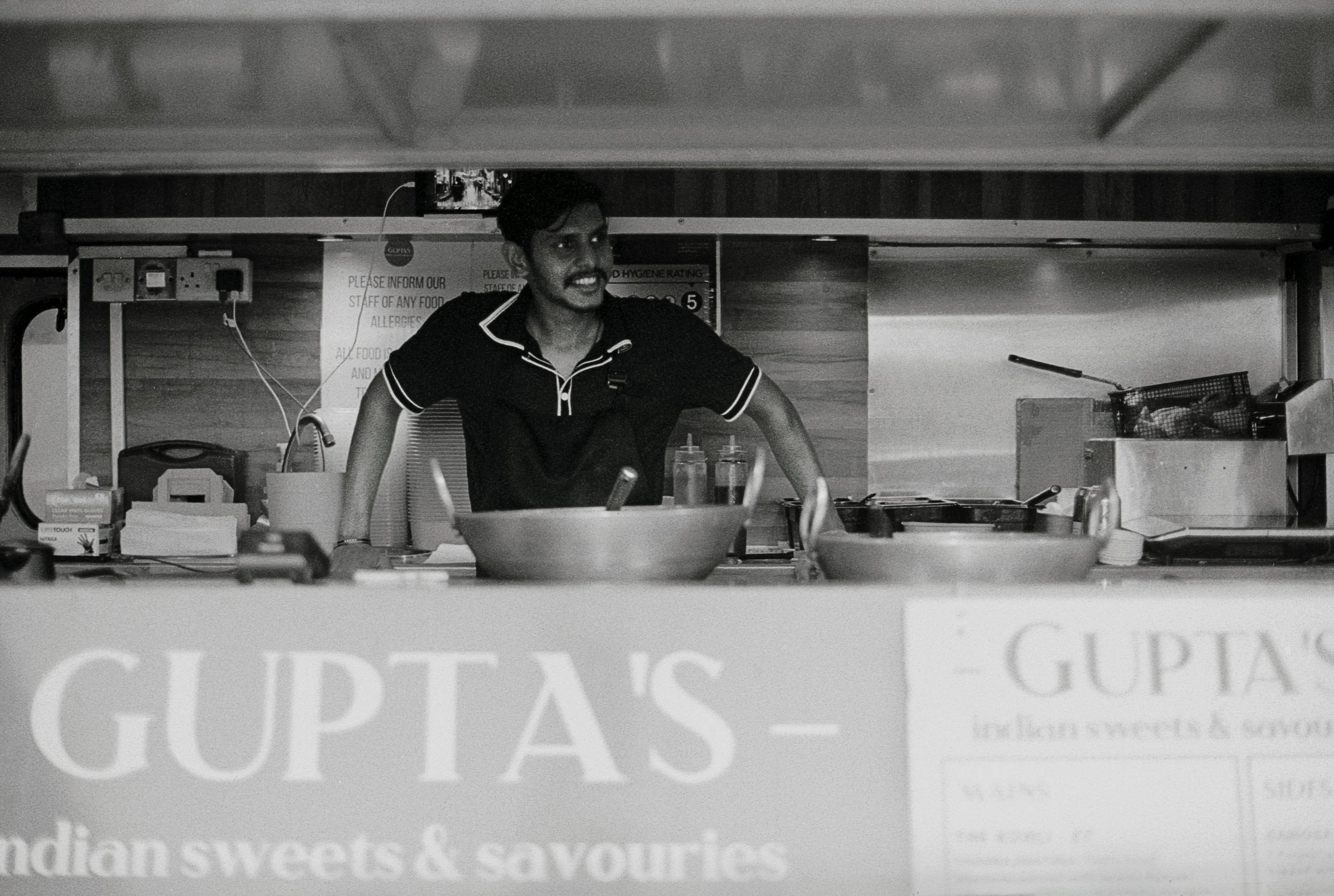
GUPTAS : Spitalfields, August 2026. OM2 | TRI-X 400 (rated 640) | 50mm at f11
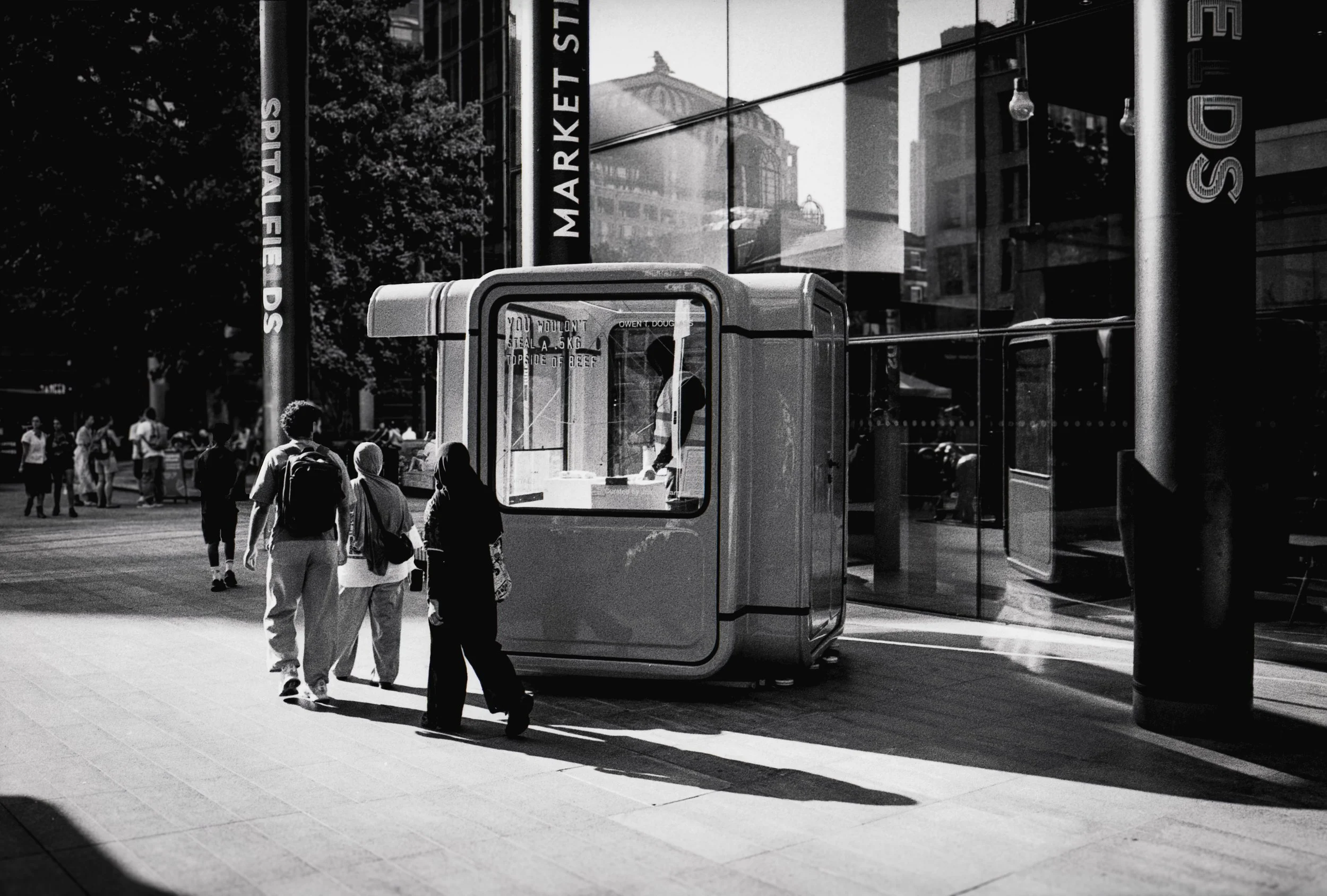
EXHIBITOIN FEATURE : Spitalfields, August 2026. OM2 | TRI-X 400 (rated 640) | 35mm at f11
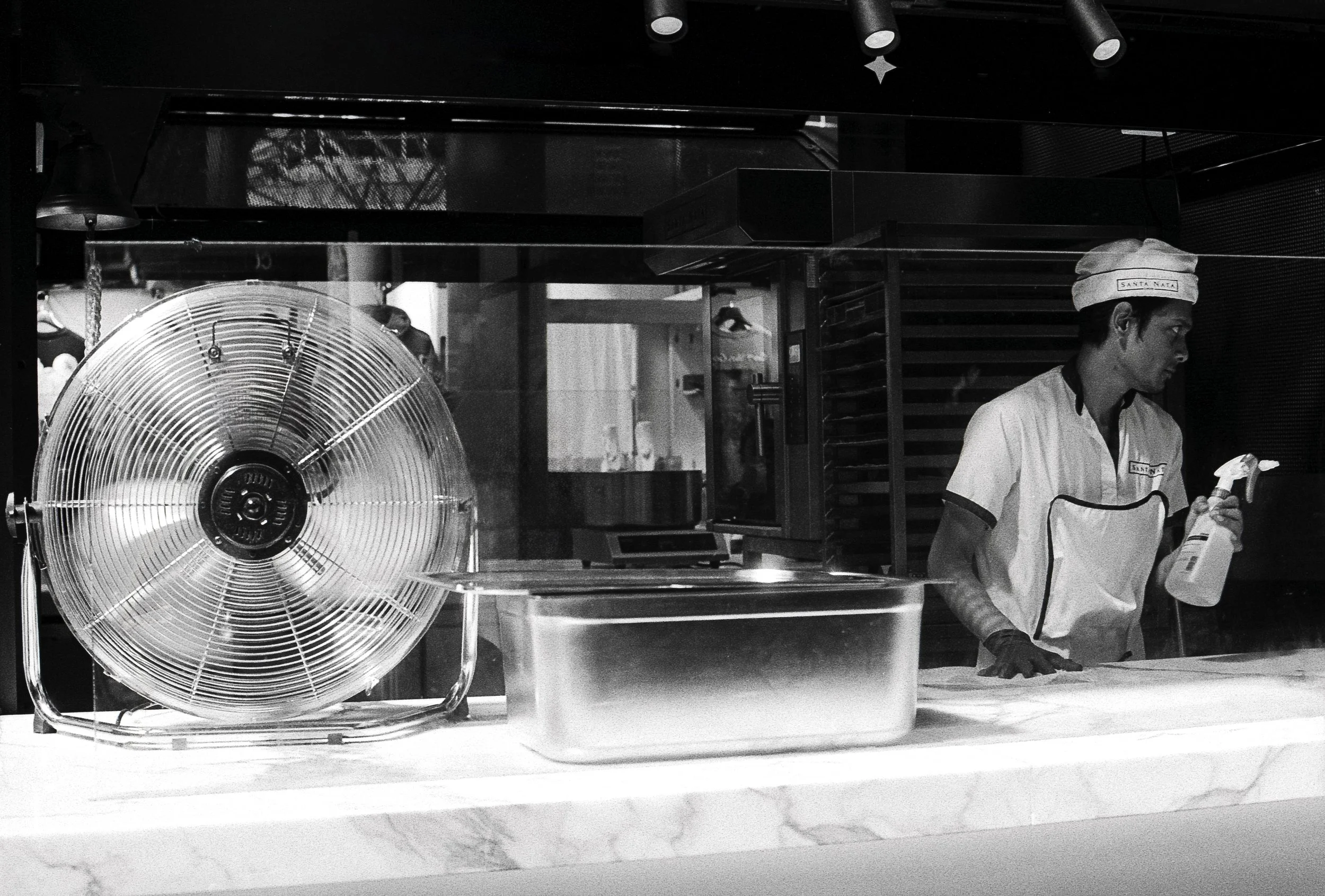
CHROME FAN : Spitalfields, August 2026. OM2 | TRI-X 400 (rated 640) | 50mm at f11
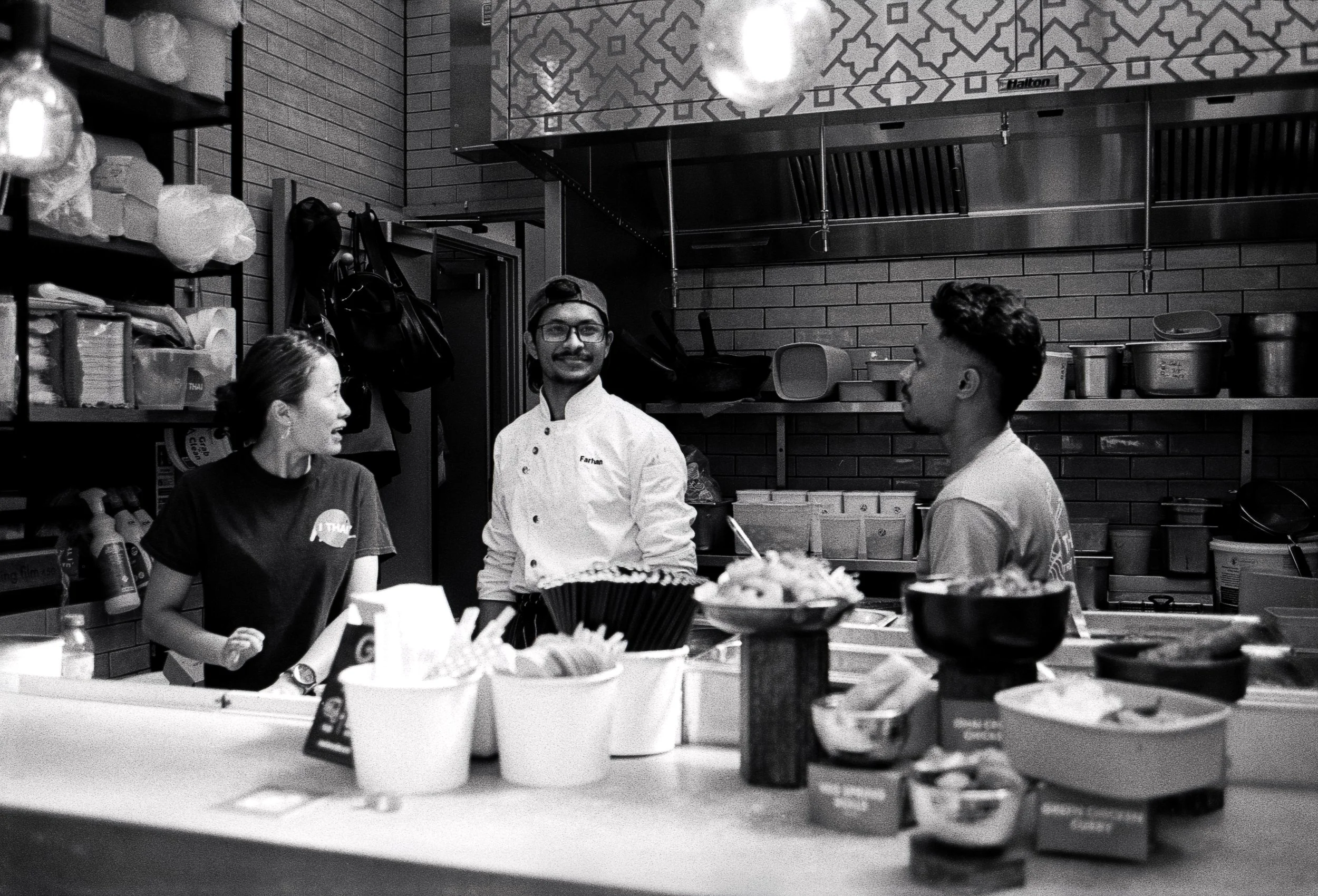
THAI STALL : Spitalfields, August 2026. OM2 | TRI-X 400 (rated 640) | 35mm at f11
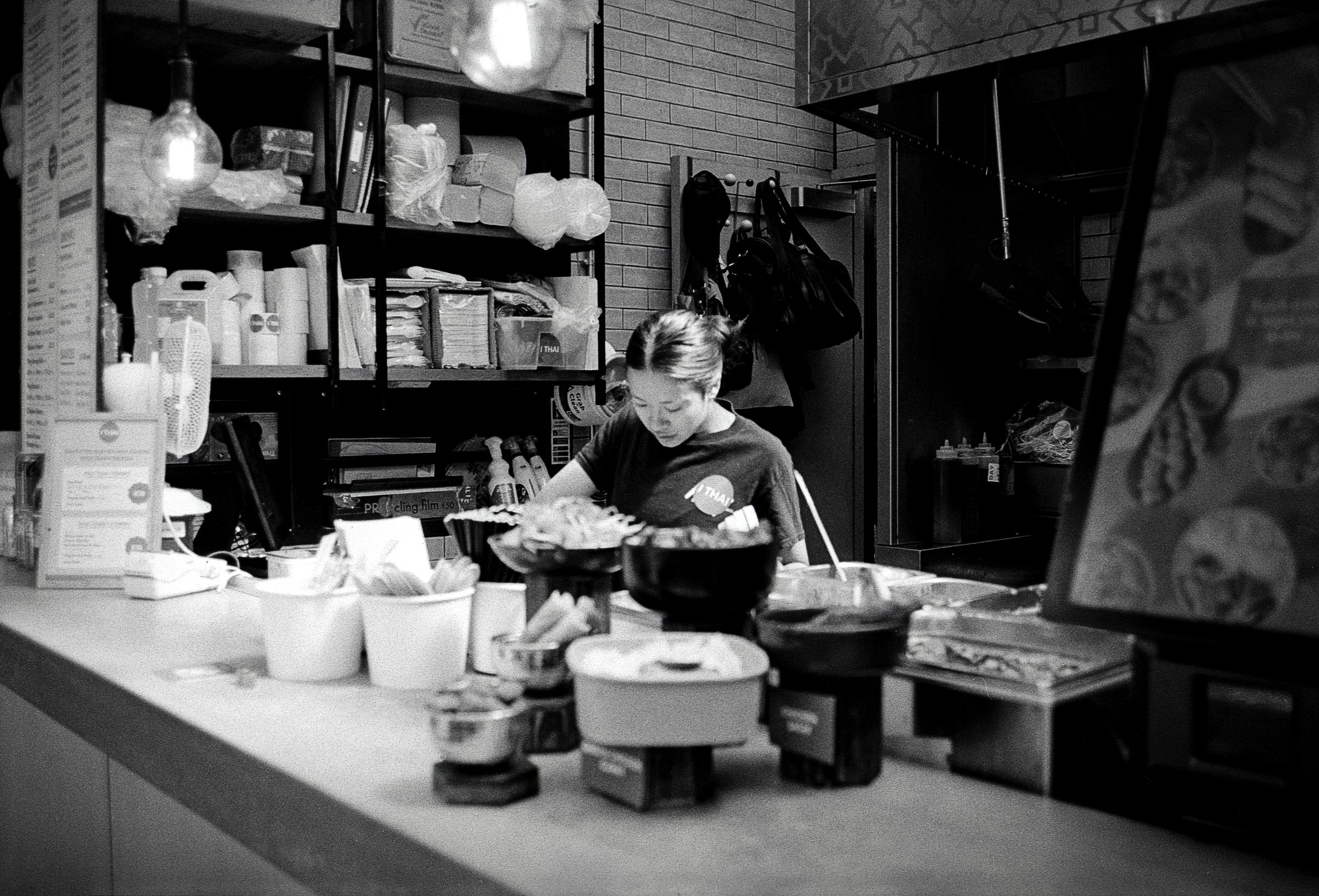
INTENSE WORK : Spitalfields, August 2026. OM2 | TRI-X 400 (rated 640) | 35mm at f11
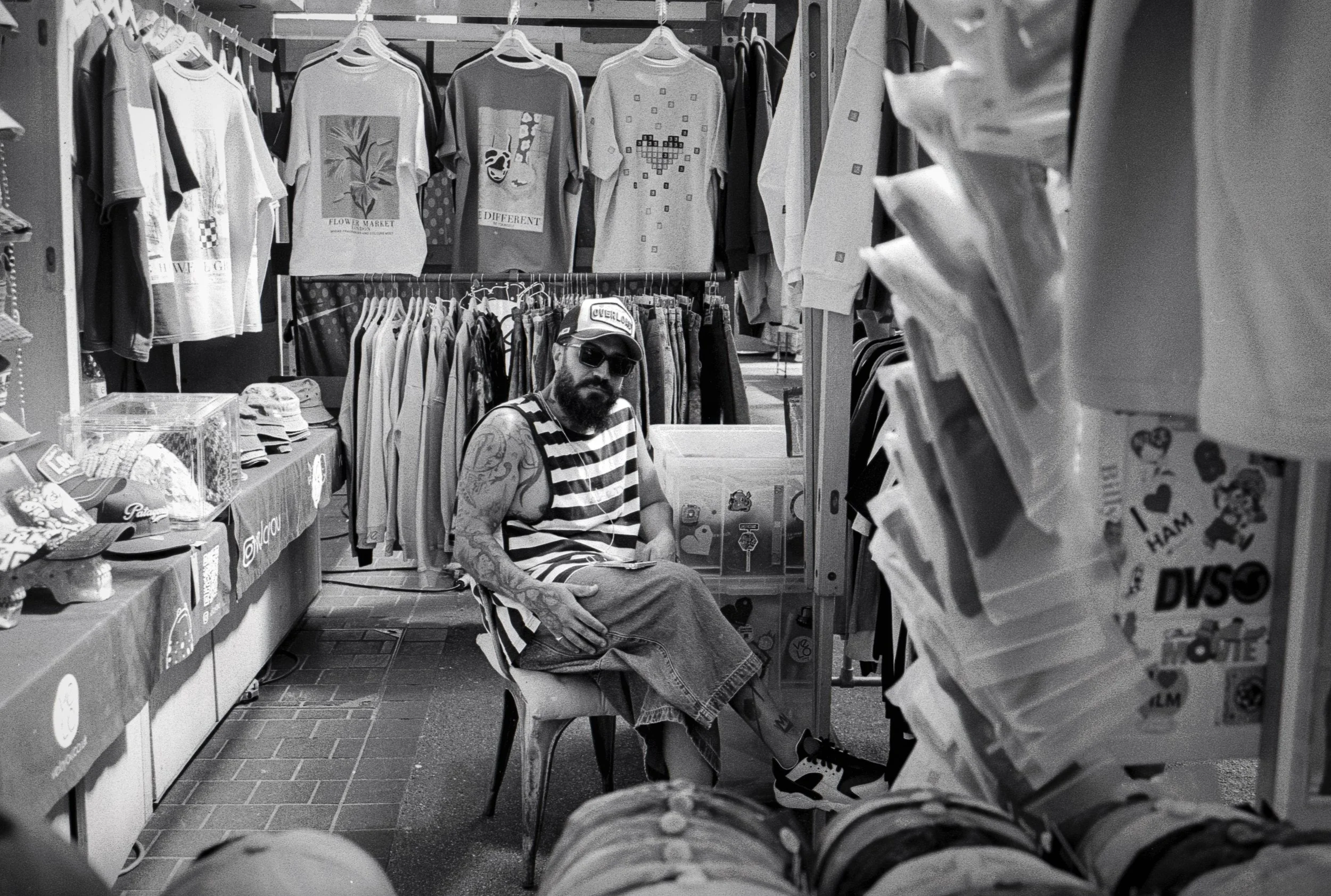
CLOTHES TRADER : Spitalfields, August 2026. OM2 | TRI-X 400 (rated 640) | 35mm at f11
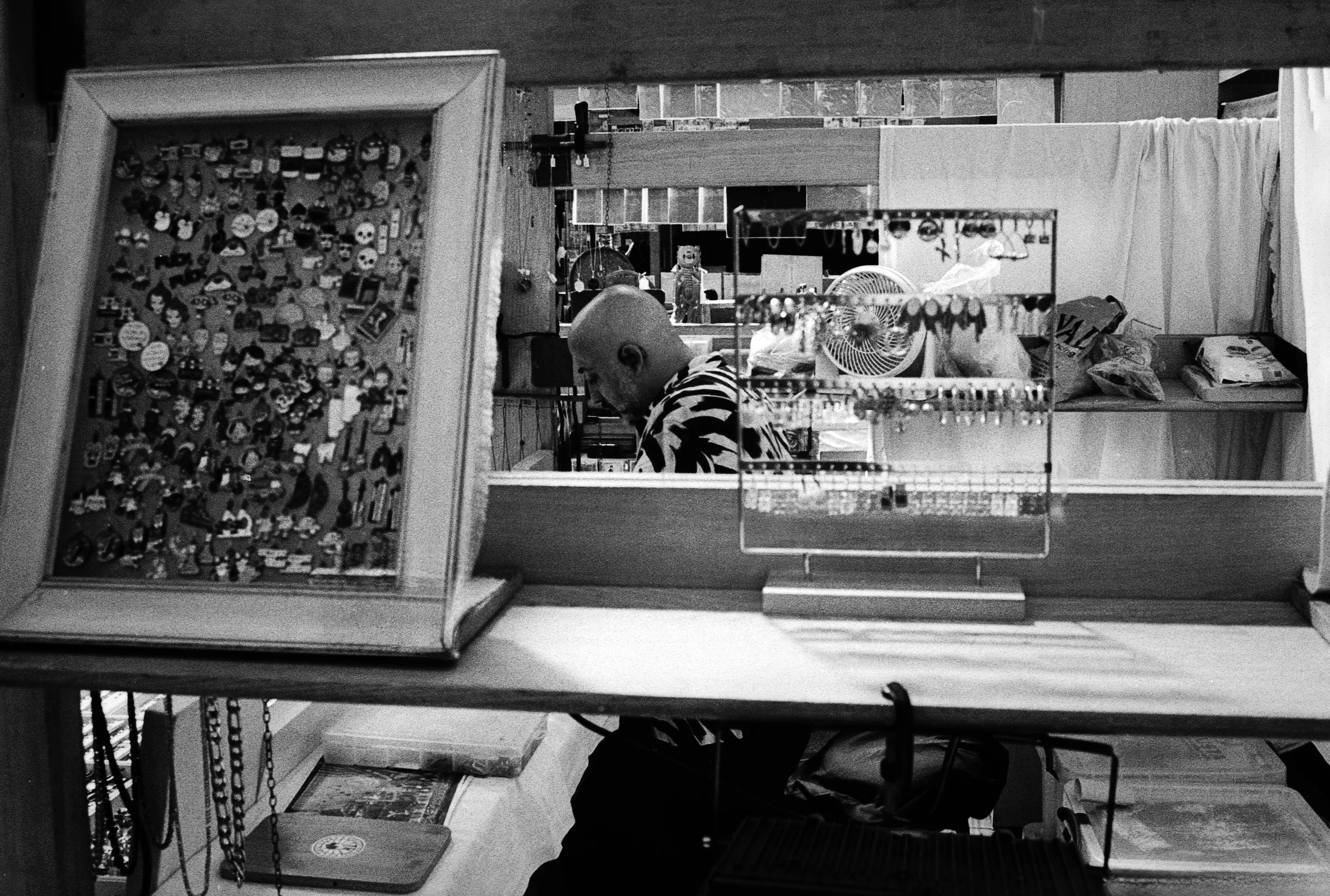
JEWELERY MAKER : Spitalfields, August 2026. OM2 | TRI-X 400 (rated 640) | 35mm at f11